








Everest Base Camp Trek for Seniors and Kids - 19 Days

The Best time to Explore Everest Base Camp Trekking for Family with Children 2026/2027
Everest Base Camp Trek 15 Days

“For anyone seeking a less strenuous experience, we offer a family-friendly trek package to Everest Base Camp suitable for both children and the elderly. On this journey, travelers experience cultural immersion and comfort amid breathtaking Himalayan views of the Everest region.”

facts icon

What to see & do

Specific information about Everest Base Camp Trek for Seniors and Kids - 19 Days
duration icon
Duration19 Days
grade icon
Trip GradeModerate
i
altitude icon
Max Altitude5550M
start icon
Starts atKathmandu
end icon
Ends atKathmandu
travel-style icon
Travel StyleLodge to Lodge Trek
group-size icon
Group Size6
transportation icon
TransportationPrivate Vehicles and Aeroplane
cloud-sun-rain icon
Best SeasonSpring and Autumn

Highlights of the Everest Base Camp Trek for Seniors and Kids

  • Reach the Everest Base Camp, and experience the thrill and motivation of climbers who are setting out to conquer the summit of Mount Everest (8,850 m/29,035 ft).
  • Enjoy breathtaking views of mountains such as Makalu (8,463 /27,766 ft), Cho Oyu (8,201 m/26,906 ft), Lhotse (8,516 m/27,940 ft), Pumori (7,161 m/23,494 ft), Nuptse (7,861m / 25,791 ft), Thamserku (6,623 m/21,729 ft), and Ama Dablam (6,812 m/22,349 ft).
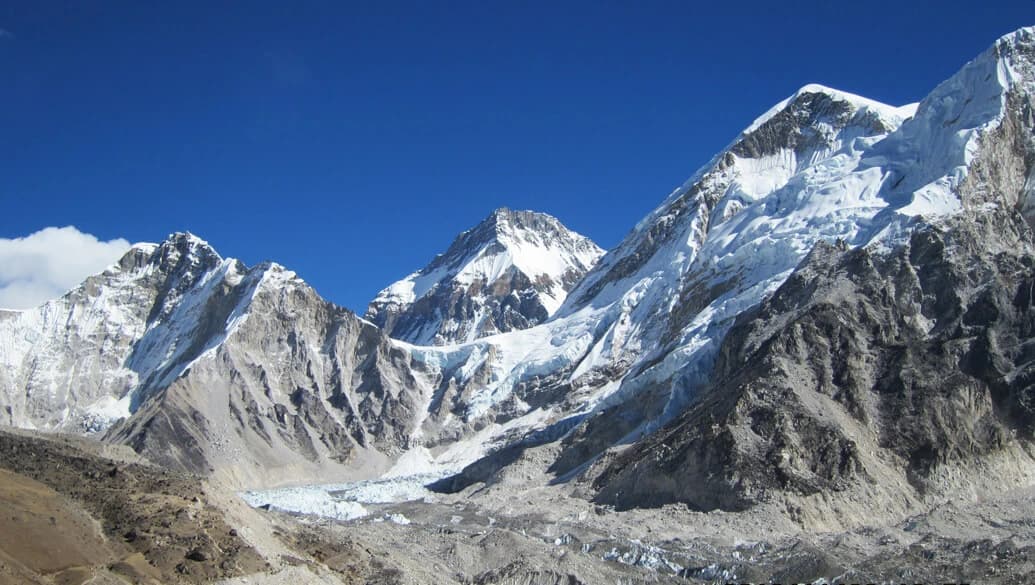
  • Stand before the Khumbu Icefall (5,486 m/17,999 ft), a vast glacial moraine, and experience the raw power of the Himalayas.
  • Enjoy the exhilarating mountain flight to the Tenzing Hillary Airport (2,860 m/9,383 ft) in Lukla, one of the highest in the world.
  • Standing together at Kala Patthar (5,545 meters), you’ll watch the morning sun slowly drape Mount Everest, Lhotse, and Ama Dablam in a sea of glowing gold. It is a breathtaking, emotional moment of pure triumph that your family will carry in their hearts forever.
  • Our itinerary is specifically crafted to minimize physical exhaustion. This means that we cover less distance per day and have more acclimatization days at Namche and Dingboche.
  • Feel a thrilling sense of wonder as you cross the sturdy steel suspension bridges, swinging high above the turquoise Dudh Koshi River.
  • Enjoy the authentic warmth of Sherpa hospitality by eating together in the common dining areas on delicious hot food and meeting many international friends.
  • Wander through the forests of Sagarmatha National Park, and spot gentle yaks carrying supplies. This is also an opportunity to witness herds of wild Himalayan tahr grazing on high cliffs, and the colorful Danphe bird. It is the ultimate natural classroom, far better than any textbook.
  • Walk into the peaceful, sacred site of Tengboche Monastery, set against the stunning backdrop of Ama Dablam. Here, you can share a silent, meditative experience as the chanting of the praying monks fills your ears, offering you an invaluable opportunity to connect with the spirituality of the local tradition.
  • This journey is a beautiful, natural digital detox. Away from all the temptations of cell phones and tablets, you will end up finding yourselves enjoying every moment on the trail and motivating each other. This will be the greatest challenge for the whole family.

Trek to Everest Base Camp with Your Kids and Family

The 19 Days Base Camp Trek for Seniors and Kids is moderately challenging and suitable for physically fit travelers seeking an unforgettable Himalayan experience. To make this family vacation a reality, our specialized EBC trek keeps daily walking to just 3 to 5 hours. The physical effort is kept to a minimum by reducing the pace of ascent, favoring the comfort of the lodges, and including acclimatization days in crucial Sherpa villages such as Namche Bazaar and Dingboche.

Many people believe that reaching the legendary base camp (5,364 m/17,594 ft) of the world’s tallest peak, offering travelers a close-up view of Mount Everest (8,848.86 m/29,029 ft), is a once-in-a-lifetime experience. It belongs exclusively to experienced trekkers. However, the elderly in their 60s or 70s, and young children as young as 8, can experience the magic of the Khumbu region. Our well-tailored itinerary allows young children and older people to acclimate effectively days before arriving at the 5,364-meter-high base camp.

The journey's ultimate reward is the ascent to the iconic Kala Patthar (5,545 m/18,192 ft), renowned as a vantage point for spectacular and unobstructed 360-degree panoramic views of the mountains in the Everest region. The scenery features an awe-inspiring vista of four of the world's six tallest peaks, including Mt. Everest, Mt. Lhotse, Mt. Makalu, and Cho Oyu. And with the right logistical support, an expert guide, and a patient, positive mindset, this journey proves accessible and easily attainable.

To ensure absolute safety on the trail, we recommend this adventure for kids aged 7 and up, as children under 5 may not easily recognize altitude symptoms. Our team supports your family by assigning dedicated porters to carry your heavy bags, freeing you to focus entirely on your children, while expert guides carry oximeters and medical-grade oxygen to monitor everyone's health daily.

Preparation for the trek is simple as well; just 8 to 12 weeks of home workouts and fun weekend walks with a light daypack will get both grandparents and kids trail-ready. When you travel with patience, respect the altitude, and let the local crew handle the heavy lifting, the adventure in the Himalayas becomes much easier.

Is the 19 Days Everest Base Camp Trek Route Family Friendly?

Yes, absolutely! If planned correctly and taken at a leisurely pace, the famous Khumbu trail can be a great adventure. In this well-paced journey, rather than rushing, we break the classic route into manageable, gentle daily walks. By maintaining a comfortable pace and slow, steady walking, the journey becomes accessible to trekkers of all ages, turning a challenging expedition into a fun, shared family experience.

On this remarkable journey to the Himalayas of Nepal, you will experience the culture and traditions of the Sherpas. The indigenous community is renowned for its climbing expertise and resilience to high-altitude conditions. During your stay at the teahouses, you will have the opportunity to enjoy their local cuisine, including Shyakpa, Tingmpo, and Tsampa, as well as beverages such as Su-Chya.

The trek begins with an exciting flight to the Tenzing-Hillary Airport in Lukla. From here, the trek officially begins, and the route gradually passes along the Dudh Koshi River, leading you through beautiful pine forests, village communities on the mountainsides, and across suspension bridges adorned with vibrant prayer flags.

This takes you to the market town of Namche Bazaar, located at an altitude of 3,440 meters, where there is a compulsory day of acclimatization. Additionally, an exciting trek to the Everest View Hotel on this day helps your body adapt to the altitude while enjoying great views of Everest and Ama Dablam.

As you continue past Tengboche, you will experience the warmth of Sherpa culture blending beautifully with the massive Himalayan peaks. Moving higher into the open alpine meadows of Pangboche and Dingboche, where you will have a second vital rest day to keep altitude sickness at bay.

Additionally, to make the acclimatization process more effective, this customized schedule includes an overnight stay in Thukla. This extra stop breaks up the steepest climb on the route, keeping the kids and grandparents well rested and energized for the hike ahead. The final leg of the journey moves steadily through Lobuche and Gorak Shep, culminating in the unforgettable moment of triumph and celebration at Kala Patthar and Everest Base Camp.

Why is the 19-Day EBC Trek Suitable for Children and Seniors?

If you’ve always dreamed of standing before Everest but worry that the standard trekking itineraries aren’t for you, this 19-day route changes the game. Here is why choosing our 19-day itinerary makes the goal much more realistic and rewarding for children and seniors alike.

  • ​You get to maintain a steady, comfortable walking rhythm that lets you actually enjoy the scenery rather than just watching your boots.
  • This itinerary includes extra buffer days, allowing for better acclimatization and extended rest periods.
  • Should you wish to linger for an additional cup of tea, take more time snapping pictures at a monastery, or perhaps take a more leisurely lunch break, feel free to do so. It’s your journey, and we offer you the flexibility to travel as you like.
  • This trek will provide you with a complete break from technology, and children will have the opportunity to truly experience the fresh air and excitement of the outdoors.
  • The 19-day itinerary allows for a more relaxed, conversational pace, which is perfect for strengthening family connections. You’ll have plenty of downtime in the evenings to share stories, play cards, and build memories.
  • Completing this trek helps children build confidence, patience, and resilience, traits that will serve them well long after they’ve returned home.

Why Take Your Kids on the Everest Base Camp Trek 19 Days?

Aside from the magnificent mountains, trekking to Everest Base Camp is an amazing adventure. Taking your kids there is more than just going on a trek; it's a complete cultural experience that they will never forget. This is what makes the trek unique for families:

  • A Look at Ancient Customs: The children will be delighted to visit the local monasteries, home to monks of the Nyingma school of Buddhism. Observing their regular prayers, chanting, and meditations will provide them with an otherworldly experience.
  • Experience the Magic of Mani Rimdu: If you happen to be present during the Mani Rimdu festival, which occurs once each year, it would be an amazing experience. This is one of the major festivals in the Sherpa culture and includes mask dances, rituals, and music.
  • Learning About Community Spirit: Monasteries form the core of these mountain villages. These places provide children with an opportunity to learn the significance of community and mutual support by seeing how they serve as centers for culture and religion.
  • Values-Based Education: The local monks play a vital role in the region by fostering Buddhist values such as compassion, patience, and gratitude. Engaging with practices like prayers and meditation provides a peaceful, reflective counterpoint to the busy, digital world many kids are used to back home.
  • Cultural Immersion: Instead of merely “visiting” somewhere, your kids will have the opportunity to experience firsthand how people live and practice traditions within that culture. Such experiences help instill respect and curiosity about the world around them.

Common Challenges and their Solution

The Challenge Our Solution
High Altitude (AMS) Listen to your body. Take extra rest days when needed, and always remember that heading down is the best cure if you aren’t feeling right.
Long Trekking Hours Pace yourself. Opt for shorter walking days, and don’t be afraid to take plenty of breaks to catch your breath or enjoy the view.
Cold & Basic Tea Houses Pack your warmest layers and a few favorite snacks. Bring a deck of cards or a small game to keep yourself engaged.
Low Motivation Keep things fun! Set small, daily goals for yourself and reward yourself with something special. For instance, like an extra cup of tea or a chocolate bar, when you reach them.

Why choose Outfitter Nepal for Your Travel?

If you are planning an amazing tour, such as the Everest Base Camp trip, you certainly need a travel agency with experience and expertise in organizing mountain treks for travelers, particularly if you have any elderly or young people with you. We at Outfitter Nepal have been providing these services to our customers for more than 15 years. With shorter daily walks and extra rest days, we prioritize your well-being so you can focus entirely on the breathtaking Himalayan scenery.

The safety of our clients is very important to us. Our team specializes in caring for the individual needs of senior guests and kids, always paying attention to altitude adaptations and overall health. We are committed to professionalism and transparency, which means that our services will be of high quality and there won’t be any unexpected expenses for you. Whether it's choosing a nutritious meal at a cozy lodge or having a reliable backup plan in place, our goal is to provide a secure, stress-free environment for every generation.

We also realize that trekking in the Himalayas should be fun rather than tough. For that reason, we offer various options, including our famous helicopter return option, which lets you enjoy the amazing scenery without descending the difficult trail. When you choose us, you do not merely book a tour; you choose a professional crew to make your family dream trek easy and enjoyable.

Who will be leading your Trek to EBC Kalapathar?

Your expedition is led by professional local guides who are knowledgeable of the routes, landscape, history, and culture of the Everest region. Our trekking guides, such as Balaram Khadka and Amar Khan, have more than a decade of experience in leading successful treks to Everest Base Camp and Kala Patthar.

They hold official certifications from the NMA (Nepal Mountaineering Association) and the NTB (Nepal Tourism Board) in advanced wilderness first aid, rescue operations, and altitude sickness management. Their expertise in the field enables you to navigate inclined trails, rocky terrain, and glacial moraines. Our guide stays proactive throughout the journey to manage risk and ensure your safety, allowing you to enjoy the breathtaking view from Kala Patthar.

About Lukla Flight Route

During peak trekking seasons—specifically September through November and March through May—air traffic to Lukla becomes extremely congested. Because of this, airlines frequently reroute flights from Kathmandu to Manthali Airport in Ramechhap to keep things moving safely. Please keep in mind that these schedule changes are managed entirely by the airlines, and we unfortunately have no control over where your flight departs from.

​If your flight is moved to Manthali, you generally have two options to make your connection. The first is a very early start: you’ll need to wake up around 2:00 or 3:00 A.M. for the 4 to 5-hour drive to Ramechhap to catch your flight. It’s early morning, but it gets you there in time for the short 20-minute flight to Lukla.

​Alternatively, many travelers prefer to drive to Ramechhap the evening before the flight. This is often the more relaxed choice, as it saves you from the exhaustion of a middle-of-the-night departure and lets you be closer to the airport in the morning. Whichever route you choose, we’ll make sure you have all the support you need to get your trek off to a smooth start.
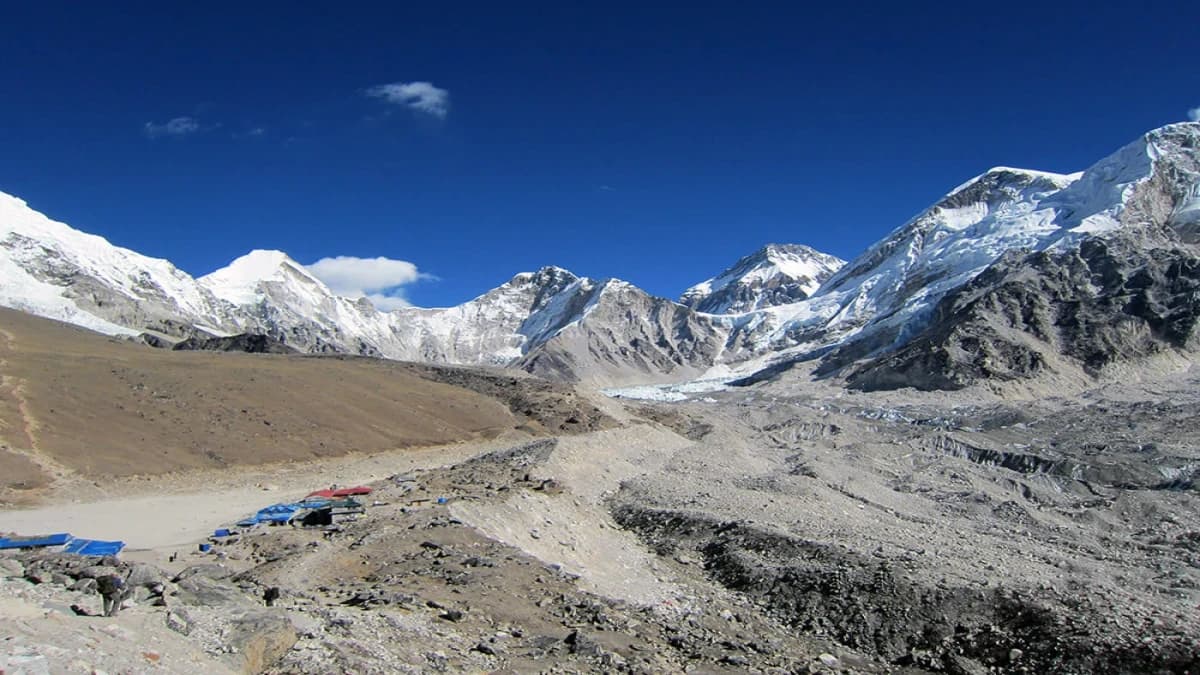

Everest Base Camp Trek for Seniors and Kids - 19 Days Itinerary Outline

  • Day 01: Arrival at Kathmandu Airport and transfer to hotel, overnight at Hotel.
  • Day 02: Rest day in Kathmandu to recover from jetlag, with a briefing about the trek.
  • Day 03: Fly to Lukla from Kathmandu/Ramechhap (2,860m/9,383 ft), Trek to Phakding (2,652m). Distance: 8 km, Duration: 3 hrs.
  • Day 04: Trek from Lukla to Namche Bazaar (3,440m/11,286 ft). Distance: 10-12 km/6.2-7.5 miles, Duration: 6 hrs.
  • Day 05: Acclimatization hike to Everest View Hotel (3,880m/12,729 ft). 3-4 km/2-2.5 miles, 3-4 hrs.
  • Day 06: Trek from Namche to Tengboche (3,860m), and view the majestic mountains of Everest and Amadablam. Time taken: 5 hours, 10-11 km.
  • Day 07: Trek from Tengboche to Dingboche (4,410m), Duration: 5 hrs, Distance: 11-12 km
  • Day 08: Acclimatization Trek to Nangkartshang (5,083m) Return Time: 4-5 hrs Distance Covered: 4-5 km
  • Day 09: Trek from Dingboche to Thukla (4,620m). Time Taken: 3-4 hours Distance: 5-6 km
  • Day 10: Trek from Thukla to Lobuche (4,910m). Duration: 3-4 hours Distance: 4-5 km
  • Day 11: Trek from Lobuche to Gorekshep (5,180m) and hike to Kalapathar for a sunset view.
  • Day 12: Hike to Everest Base Camp (5,364m) and return to Lobuche.
  • Day 13: Trek from Lobuche to Tengboche, 6-7 hours - 18km
  • Day 14: Trek from Tengboche to Namche Bazaar (3,440m). Time Required: 4-5 Hours. Distance Covered: 5-6 km
  • Day 15: Trek from Namche to Phakding (2,652m). Duration: 4-5 hours Distance: 10-12 km
  • Day 16: Trek from Phakding to Lukla (2,860m) by the Dudh Kosi River. Time: 3 hrs Distance: 8 km
  • Day 17: Fly back to Kathmandu/Ramechhap on a scenic 30-minute flight.
  • Day 18: Leisure day in Kathmandu for relaxation or exploring the city.
  • Day 19: Final Departure

Cost Details

Good to know before trip booking

What's Included

Comfortable Stays

  • In Kathmandu: Enjoy four nights of rest in a high-quality 3-star hotel. You’ll be in comfortable twin-sharing rooms.
  • On the Trail: We choose the finest tea houses available along the trail, where you will sleep each night. We make sure to choose tea houses with their own facilities, such as toilets and hot showers.

Delicious Meals

  • Trek Full Board: You won’t have to worry about a thing; we provide all three meals—breakfast, lunch, and dinner—throughout your entire time on the trail.
  • Added Perks: We include three hot tea or coffee drinks per day to keep you warm, along with fresh fruit served after dinner—a little extra energy boost that is perfect for both kids and seniors.

Seamless Travel

  • Airport & Ground Transport: We handle all your logistics, including hassle-free airport transfers and all ground travel in our private, comfortable vehicles.
  • Smooth Transfers: During the busy trekking seasons, we take care of the logistics for the Kathmandu-Ramechhap transit so you don't have to navigate it yourself.
  • Himalayan Flights: Your journey starts and ends with a spectacular round-trip scenic flight into Lukla, the gateway to the Everest region.

Expert Support & Safety

  • Your Dedicated Team: You’ll be led by a certified, English-speaking guide who knows these mountains inside and out.
  • Porter Support: We provide one porter for every two trekkers. They handle the heavy lifting (up to 22 kg total, or about 10-12 kg per person), so you can hike comfortably with just a daypack.
  • Comprehensive Care: We fully look after our team, including their wages, insurance, and gear. Most importantly, your guide carries a professional first-aid kit, an oxygen meter, and altitude medicine to monitor your health every single day.

Permits & Paperwork

  • All Access: We handle all necessary permits, including the Sagarmatha National Park entry fee, the Khumbu Pasang Lhamu Rural Municipality permit, and entrance passes for the historic Tengboche Monastery. All government taxes and fees are included in your package.

Extra Gear & Souvenirs

  • We Supply the Essentials: To help you pack light, we provide a warm down jacket and a high-quality sleeping bag for your use during the trek.
  • Your Trekking Kit: Each trekker receives a 70-liter duffel bag for their gear, plus a few keepsakes to remember the journey: a detailed trail map, a company T-shirt, and a cap.
  • Completion Certificate: To celebrate your achievement, we provide an official certificate confirming your completion of the Everest Base Camp trek—a perfect memento for kids, seniors, and the whole family.

What's not Included

  • Flights & Visas: International airfare to and from Nepal, as well as your Nepal entry visa fees.
  • Meals in Kathmandu: While we take care of many meals on the trail, you’ll need to cover your own lunches and dinners while staying in Kathmandu.
  • Excluded Meals: Any meals that aren't explicitly mentioned in your "Meal Inclusions" section.
  • Drinks & Beverages: All drinks—including mineral water, soft drinks (such as Coke or Fanta), coffee, tea, and alcoholic beverages—are personal expenses.
  • Trail Comforts: Hot showers are not included, except for your stays in Phakding, Namche, and Lukla. Other personal services, such as laundry, phone calls, and internet access, are also your responsibility.
  • Gear & Equipment: Please plan to bring your own trekking gear, including sleeping bags and warm jackets.
  • Staff Gratuities: Tips for your guides, porters, and drivers are not included in the trip cost. While tipping is entirely at your discretion, it is a kind way to show appreciation for their hard work.
  • Insurance & Safety: You must arrange your own travel insurance that specifically covers emergency evacuation and helicopter rescue.
  • Personal Extras: Any snacks, additional porter services, or horse rentals (if you are traveling with children or prefer a lift) are not covered.
  • Unexpected Situations: We cannot be held responsible for any additional charges incurred due to unforeseeable circumstances. These would include those arising from flight delays, landslides, bad weather, changes in government policies, strikes, or even changes to your itinerary for security purposes.

Dates & Prices

Book your trip with confidence
  • We've scheduled fixed departure dates for Everest Base Camp 15 Days Trek. Please select a date and reserve your spot.
  • If the date of your choice is not mentioned, get in touch with us. We can walk you through the procedure to reserve your own preferred date, as the trek is open every day of the year.
  • We have only listed the price for up to 12 people. If you are a group of more than 12 individuals, please contact us for the discounted group rate and further booking process.
  • Reach out to us to make a reservation for a private trek available on any date throughout the year.
  • Solo travelers are welcome to join the trek. While you can have a single room in Kathmandu, you have to share a room with other travelers in the group while on the trek because of the lesser availability of rooms in remote mountain lodges.
  • Guaranteed dates are confirmed to depart as we already have people booked for those dates. You may join the group if the dates are favorable to you.
  • Available dates are available to book and become guaranteed once you book for that date.
  • Closed dates are closed and cannot be booked. However, if that is the only day you are available, get in touch with us to discuss the alternatives.
  • The date of your arrival is Day 1 of the trek.

Select a departure month

Showing Departures of Jul 2026
Starts: Wednesday
Jul 08, 2026
Ends: Sunday
Jul 26, 2026
Price (Per Person)
US$1795
Availability
Guaranteed
Starts: Wednesday
Jul 15, 2026
Ends: Sunday
Aug 02, 2026
Price (Per Person)
US$1795
Availability
Guaranteed
Starts: Wednesday
Jul 22, 2026
Ends: Sunday
Aug 09, 2026
Price (Per Person)
US$1795
Availability
Guaranteed
Starts: Wednesday
Jul 29, 2026
Ends: Sunday
Aug 16, 2026
Price (Per Person)
US$1795
Availability
Guaranteed

Detail Itinerary

Trip day to day detail itinerary
Day01

Arrival at Kathmandu Airport and transfer to hotel, overnight at Hotel.

Welcome to Nepal! Upon landing at Tribhuvan International Airport, you will go through the immigration process and get your baggage. Just step out, and there you will see our Outfitter Nepal representative waiting for you with a welcoming sign. We welcome you warmly on behalf of your family.

We will pick you up at the airport and take you to your assigned hotel in a comfortable, private vehicle, allowing you to enjoy the sights along Kathmandu's streets. This journey will be smooth and hassle-free, giving you time to rest after your long trip.

The remainder of the day is for you to take it easy and try to overcome jet lag, if you experience it. If you feel like taking a gentle walk, the area around your hotel is a great place to get used to the local environment. It’s an excellent way to get ready for the Everest Base Camp trek.

  • max-altitude iconMax. Altitude: 1350m/4429ft
  • accomodation iconAccommodation: 3 Star Hotel
  • transportation iconTransportation: Private Vehicles
Day02

Rest day in Kathmandu to recover from jetlag, with a briefing about the trek.

It is the perfect time for you to rest and adjust to the pace of life in Nepal. This is the ideal day to recover from jet lag and prepare for your adventure. This is the perfect time for you to do whatever you want. If you wish to explore the streets of Kathmandu, then you can go ahead and do that.

We have a mandatory briefing in the afternoon, during which you will meet your mountain guide. It would be a wonderful opportunity for you to pose all your queries and gain insights into what the journey will be like. During the briefing, our guides will check each individual's equipment to ensure that children and seniors in our group are well-equipped with appropriate layers and footwear.

To ensure you are fully prepared, we will offer you complimentary use of a duffel bag, a high-quality down jacket, and a sleeping bag. In this briefing session, we will take your travel documents, insurance papers, and the remaining payments. To get you ready for your trekking adventure, we will give you a souvenir t-shirt, a map, and a cap.

  • max-altitude iconMax. Altitude: 1350m/4429ft
  • meal iconMeals: Breakfast
  • accomodation iconAccommodation: 3 Star Hotel
  • transportation iconTransportation: Private Vehicles
Day03

Fly to Lukla from Kathmandu/Ramechhap (2,860m/9,383 ft), Trek to Phakding (2,652m). Distance: 8 km, Duration: 3 hrs.

Your journey begins with an exhilarating mountain flight from Kathmandu or Ramechhap, landing you right in the heart of the Himalayas at the iconic Lukla airport. As you step off the plane, you’ll be greeted by the cold air of the mountains. After meeting your porters and snapping a photo of the golden statue of Sir Edmund Hillary and Tenzing Norgay, you’ll start your walk. It’s a gentle, downhill introduction to the region, letting you find your stride as you follow the winding banks of the Dudh Koshi River.

​The trekking route takes you through villages such as Chaurikharka and Cheplung, where you can experience the rich Sherpa culture. One will observe that the trekking trail is adorned with mani stones, on which prayers are written in Tibetan, and one can even hear the ringing of bells from the passing mules. While traveling through Thado Koshigaon and Dudhkoshi Ghat village, you will also see beautiful landscapes, and the traditional houses with colorful prayer flags will catch your eye.

​By the end of this easy three-hour trek, you’ll arrive at the welcoming village of Phakding. At an elevation of 2,652m, it’s the perfect place to settle in and start acclimatizing to the mountain air. If you’re feeling energized after reaching the lodge, take a short stroll to visit the nearby Rimishung Monastery. It’s a wonderful way to stretch your legs and soak in the serene atmosphere before enjoying a well-deserved dinner and your first night in the mountains.

  • max-altitude iconMax. Altitude: 2610m/8563ft
  • meal iconMeals: Breakfast, Lunch and Dinner
  • elevation-gain iconElevation Gain: 1260m/4133ft
  • accomodation iconAccommodation: Mountain Lodge
  • walking-hour iconWalking Hours: 3-4 hours
  • walking-distance iconWalking Distance: 8km/5mi
Day04

Trek from Lukla to Namche Bazaar (3,440m/11,286 ft). Distance: 10-12 km/6.2-7.5 miles, Duration: 6 hrs.

Today's journey begins early in Phakding, leading you northward along the rushing Dudh Koshi River. As you walk through peaceful pine forests and climb across dramatic ridgelines, you will pass through the charming settlements of Toktok and Benkar. Keep an eye out for the stunning waterfalls that tumble down the cliffs, feeding the lush, mossy landscape below—it is truly one of the most picturesque stretches of the trail.

​After crossing a high suspension bridge, you will arrive at Monjo, a village perched beautifully on a ridge. This is the official gateway to Sagarmatha National Park, where we will stop briefly to handle your permits. From there, you will descend into a cool, shaded canyon and make your way to Jorsalle, the last village you’ll see before the final push toward Namche.

​The climax of the day is crossing the famous Hillary Suspension Bridge, which hangs high above the rushing waters where the Dudh Koshi and Bhote Koshi rivers meet. Following this, the trail turns into a steady climb through fragrant pine woods. If the skies are clear, this is your special moment—keep your eyes peeled for your very first glimpse of Mount Everest peeking over the horizon.

Lastly, the trail passes through the amazing tourist hub of the Khumbu region, which is Namche Bazaar. The bustling Sherpa village serves as the epicenter of cozy teahouses, bakeries, cafes, and stores selling equipment.

  • max-altitude iconMax. Altitude: 3440m/11286ft
  • meal iconMeals: Breakfast, Lunch and Dinner
  • elevation-gain iconElevation Gain: 830m/2723ft
  • accomodation iconAccommodation: Mountain Lodge
  • walking-hour iconWalking Hours: 6-7 hours
  • walking-distance iconWalking Distance: 12km/7.5mi
Day05

Acclimatization hike to Everest View Hotel (3,880m/12,729 ft). 3-4 km/2-2.5 miles, 3-4 hrs.

Today is all about helping your body adjust to the altitude, so we’ll take a gentle morning walk up to the famous Everest View Hotel at 3,880 meters. The trail is nice and easy, perfect for everyone to enjoy the fresh mountain air while climbing above Namche. As you head past Shyangboche, keep your eyes peeled; you’ll be rewarded with breathtaking, crystal-clear views of towering giants like Everest, Lhotse, Nuptse, and the stunning Ama Dablam.

After indulging in the breathtaking scenes, we will head on down to the quaint village of Khumjung. This experience is one everyone will cherish, but it’s especially fun for the kids because we get to visit Hillary School and learn about Sir Edmund Hillary's contributions in person. Additionally, we will have time to visit the ancient Khumjung Monastery, where one can see the scalp of the real yeti, legendary as it may sound.

After we return to Namche, the day is yours to spend however you like. This is the ideal time for the elders to unwind and rejuvenate, while the youngsters explore the vibrant local markets in search of amazing handcrafted products. This is an ideal, stress-free way to immerse yourself in the core Sherpa culture while ensuring everyone remains fit and energetic for future treks.

  • max-altitude iconMax. Altitude: 3440m/11286ft
  • meal iconMeals: Breakfast, Lunch and Dinner
  • elevation-gain iconElevation Gain: 440m/1443ft
  • elevation-loss iconElevation Loss: 440m/1443ft
  • accomodation iconAccommodation: Mountain Lodge
  • walking-hour iconWalking Hours: 1.5-2 hours
  • walking-distance iconWalking Distance: 3.5km/2.2mi
Day06

Trek from Namche to Tengboche (3,860m), and view the majestic mountains of Everest and Amadablam. Time taken: 5 hours, 10-11 km.

Having left Namche behind us now, our trek today starts with a gradual descent through the lush rhododendron forest down to the roaring Dudh Koshi River. The destination for today is a beautiful lunch stop at Phunki Tenga, which lies on the banks of this river. This will be an easy climb up ahead, along a good trail leading through the tranquil mountain forests.

As we move further towards Tengboche, one of the most memorable aspects of the place will be the region's beautiful scenery. The views from Tengboche village include Mt. Everest, Mt. Lhotse, Mt. Nuptse, and the famous Ama Dablam. This is one of the most beautiful places, offering an amazing view of the magnificent Himalayan landscape.

The other highlight of the place is the Dawa Choling Gompa, the region's largest and most important monastery. There is nothing like experiencing the spirituality of this beautiful place, listening to the monks pray in the evenings against the backdrop of snow-covered peaks. The experience will remain etched in your memory, whether you visit alone or with your family.

  • max-altitude iconMax. Altitude: 3867m/12684ft
  • meal iconMeals: Breakfast, Lunch and Dinner
  • elevation-gain iconElevation Gain: 427m/1401ft
  • accomodation iconAccommodation: Mountain Lodge
  • walking-hour iconWalking Hours: 5-6 hours
  • walking-distance iconWalking Distance: 10km/6mi
Day07

Trek from Tengboche to Dingboche (4,410m), Duration: 5 hrs, Distance: 11-12 km

The hike starts with an easy descent from the top of the hill in Tengboche, through the beautiful forests of birch, conifers, and rhododendrons. It’s a relaxing start, and once we get going on our path to the serene village of Deboche, we can feel the refreshing breeze. The early stages are deliberately kept leisurely, allowing us to enjoy the forest's peace until we reach the bridge over the Imja Khola River.

From the river, the trail picks up a bit as we climb toward the charming village of Pangboche. This is a special place—home to an ancient monastery that has long been a site of reverence for local Sherpas and even Everest summiteers. After a short break to take in the views and the history, we continue along the winding path, passing through the seasonal, wind-swept hamlets of Shomare and Orsho.

As we continue our journey, the vibrant greenery of the lower forest gives way to the breathtaking tundra at high altitude. The scenery seems broader and less sheltered, due to the presence of such a powerful force as the mountains. Another smaller river crossing will be made before moving out of the trees' shadow into the upper valley.

Finally, we arrive at the beautiful village of Dingboche, which sits nestled in a valley of stone-walled fields and hardy pastures. The views here are nothing short of spectacular; to the south, the massive, iconic peak of Ama Dablam towers directly over us, while to the north, we get our first real sense of the scale of the Khumbu Glacier. We will settle into our lodge here, surrounded by the quiet intensity of the high Himalayas.

  • max-altitude iconMax. Altitude: 4410m/14468ft
  • meal iconMeals: Breakfast, Lunch and Dinner
  • elevation-gain iconElevation Gain: 543m/1781ft
  • accomodation iconAccommodation: Mountain Lodge
  • walking-hour iconWalking Hours: 5-6 hours
  • walking-distance iconWalking Distance: 11km/7mi
Day08

Acclimatization Trek to Nangkartshang (5,083m) Return Time: 4-5 hrs Distance Covered: 4-5 km

We will take an acclimatization trek to the summit of Nangkartshang Hill today. Though hiking to the summit requires some effort, it is a crucial step in preparing for future climbs to even greater heights. The trekking distance covered today is manageable, and we strongly recommend this trek for trekkers of all ages, including elders and children, as a great way to build confidence for future trekking towards Thukla.

As soon as you reach the top at an altitude of 5,083 meters above sea level, all of your efforts will finally pay off. The majestic view of the mighty mountains of the Himalaya range will be presented before your eyes. You will see Mt. Makalu on the horizon, as well as the picturesque peaks of Cholatse and Island Peak. As far as you look down, you will find the vast Imja Valley, where an ancient glacier pathway is visible.

Having admired the scenery, we will go down to the comfy lodges of Dingboche. This is the rest of the day for you to rest and have a nice dinner. You may relax as you enjoy the sight of floating clouds between mountain peaks.

  • max-altitude iconMax. Altitude: 543m/1781ft
  • meal iconMeals: Breakfast, Lunch and Dinner
  • elevation-gain iconElevation Gain: 675m/2214
  • elevation-loss iconElevation Loss: 675m/2214
  • accomodation iconAccommodation: Mountain Lodge
  • walking-hour iconWalking Hours: 2-3 Hours
  • walking-distance iconWalking Distance: 11km/7mi
Day09

Trek from Dingboche to Thukla (4,620m). Time Taken: 3-4 hours Distance: 5-6 km

We have adopted a smart approach today when it comes to climbing the mountain. The approach involves making another halt at Thukla rather than moving directly from Dingboche to Gorak Shep. The area between these two points is a danger zone for high-altitude sickness, and by taking three days instead of two, we will give our bodies crucial time to acclimatize to the air.

The hike to Thukla is fairly short and gradual; you will walk 5-6 km uphill, with an ascent of around 200 meters. After leaving Dingboche, the trail goes through some breathtaking pastures in which you can see some of the local wildlife of the Himalayas and the birdlife of the area. The views are magnificent, and since we are just spending 3-4 hours hiking today, we have ample time to enjoy the beautiful snow-capped mountains and rocky peaks around us.

We will reach our destination, Thukla (Dughla), which is 4,620 meters above sea level, by late afternoon. This small village offers a more relaxed, peaceful environment, ideal for acclimatization. After checking into our lodge, you will have the whole day to relax in the vicinity or go on short hikes up the surrounding hills to help your body acclimatize before heading to Lobuche tomorrow.

  • max-altitude iconMax. Altitude: 4,620m
  • meal iconMeals: Breakfast, Lunch and Dinner
  • accomodation iconAccommodation: Mountain Lodge
  • walking-hour iconWalking Hours: 3-4 hours
  • walking-distance iconWalking Distance: 5-6 km
Day10

Trek from Thukla to Lobuche (4,910m). Duration: 3-4 hours Distance: 4-5 km

Today’s trek takes you from Thukla up to the high-altitude settlement of Lobuche, standing at 4,910 meters. The climb starts with a steady ascent toward the Thukla Pass, where you’ll want to take your time and pause at the poignant memorials dedicated to Everest climbers. Along the way, you’ll also pass the Trekkers Aid Post in Pheriche, a vital medical center run by volunteer doctors who support the local Himalayan Rescue Association.

As you head deeper into the valley, the thinning air becomes noticeable, but the steady pace remains manageable for everyone in the group. It is truly remarkable how well children adapt to these altitudes when given the proper time to adjust and move at their own rhythm. The trail eventually opens up beautifully, offering expansive mountain views before you begin the final, gentle stretch down into Lobuche, where you might even spot yaks grazing peacefully in the high meadows.

This leg of the journey perfectly highlights why trekking in Nepal is such a special experience for families. With your local guides leading the way, you’ll feel confident navigating every turn and finding the best spots to rest along the route. By the time you reach your welcoming guesthouse in Lobuche, a hot meal will be waiting to recharge you after a rewarding day on the trail.

  • max-altitude iconMax. Altitude: 4,910m
  • meal iconMeals: Breakfast, Lunch and Dinner
  • accomodation iconAccommodation: Mountain Lodge
  • walking-hour iconWalking Hours: 3-4 hours
  • walking-distance iconWalking Distance: 4-5 km
Day11

Trek from Lobuche to Gorekshep (5,180m) and hike to Kalapathar for a sunset view.

We’ll follow the rugged, rocky path with the striking Khumbu Glacier running alongside us. It’s about a three-hour hike to reach Gorakshep, our home for the night. Once we drop our bags at the lodge and grab a much-needed hot meal, we’ll settle in for a bit before the main highlight of the day.

​As the afternoon light begins to soften, we’ll set off for a climb up to Kala Patthar. While the ascent is definitely a challenge, taking it slow as a team makes all the difference. The goal is to reach this famous viewpoint just as the sun dips below the horizon, bathing the surrounding peaks—including Everest, Lhotse, and Nuptse—in incredible shades of deep orange and gold.

​The altitude of this point, being 5,545 meters, is often recognized as the ultimate triumph for all trekkers trekking in Khumbu. It is quite difficult to explain how one feels by watching the majestic peaks of the Himalayan mountain range glowing in the sunset. This is an inspiring moment for everybody who admires the beauty of the place and feels proud of the efforts they made to reach it.

​After taking our fill of the views and photos to remember them, we will come down to the lodge, where we have already reserved a room in Gorakshep. After such an eventful day, there is no better thing than enjoying a good dinner and going to bed.

  • max-altitude iconMax. Altitude: 5550m/182008ft
  • meal iconMeals: Breakfast, Lunch and Dinner
  • elevation-gain iconElevation Gain: 386m/12,66ft
  • elevation-loss iconElevation Loss: 1179m/3868ft
  • accomodation iconAccommodation: Mountain Lodge
  • walking-hour iconWalking Hours: 6-7 hours
  • walking-distance iconWalking Distance: 15km/9.3mi
Day12

Hike to Everest Base Camp (5,364m) and return to Lobuche.

Today is the big day, you’re finally heading to Everest Base Camp. We’ll be trekking alongside the Khumbu Glacier, tackling gentle ups and downs that definitely feel a bit more challenging in the thinning air. Because we’re at such a high altitude, we’ll keep a nice, steady pace, taking plenty of breaks so everyone in the family, from the kids to the grandparents, can soak in those incredible mountain views without feeling rushed.

Once you reach the base of the world’s tallest mountain, you’ll be surrounded by the massive peaks of the Himalayas, with the towering Khumbu Icefall looming right above you. It’s a surreal experience to stand where so many legendary expeditions have started. After you’ve snapped your photos and celebrated this major milestone together, we’ll head back to Lobuche, where a hot, well-deserved meal and a cozy bed await us.

  • max-altitude iconMax. Altitude: 5364M
  • meal iconMeals: Breakfast, Lunch and Dinner
  • elevation-loss iconElevation Loss: 800m/2625ft
  • accomodation iconAccommodation: Mountain Lodge
  • walking-hour iconWalking Hours: 6-7 hours
  • walking-distance iconWalking Distance: 12km
Day13

Trek from Lobuche to Tengboche, 6-7 hours - 18km

The trekking experience on day thirteen starts with a relaxing downhill stroll through lush green rhododendron forests and tranquil open valleys. It is easy-going and gives ample chance for rest, as you have the beautiful sight of the mighty Himalayan peaks towering above you all along. The monastery at Tengboche makes an ideal resting place after today’s trek, and will give you many chances for reflection on the amazing trek so far.

If your team feels energetic, there is a good option to extend your hike by 2 kilometers down to Phunke Tenga. This little extra distance will allow you to spend more time in the mountains and have a bit more peace of mind far from the track. No matter whether you decide to relax in the monastery or to go a bit farther, the whole day is planned in such a way as not to make anybody rush.

  • max-altitude iconMax. Altitude: 2860m/9383ft
  • meal iconMeals: Breakfast, Lunch and Dinner
  • elevation-loss iconElevation Loss: 580m/1903ft
  • accomodation iconAccommodation: Mountain Lodge
  • walking-hour iconWalking Hours: 6-7 hours
  • walking-distance iconWalking Distance: 18km/11mi
Day14

Trek from Tengboche to Namche Bazaar (3,440m). Time Required: 4-5 Hours. Distance Covered: 5-6 km

The trek today will be very enjoyable and relaxing, from Tengboche back to the Namche Bazaar. Once we have enjoyed a few moments of silence reflecting on the experience at the monastery, we will begin our descent through the peaceful forest surrounding Debuche. This will take us past the alpine scrub and into the woods at a comfortable pace, allowing the whole family to take in the fresh mountain air.

Finally, the track descends to the river at Phunki Tenga, where we will cross the bridge before beginning an easy uphill ascent back. Upon arriving at the villages of Kyangjuma and Sansa, the scenery starts to seem like home again. This route has many places to stop along the way to drink some water and reflect on your amazing mountain experiences over the last two weeks.

Namche Bazaar’s vibrant, lively streets will come into view by early evening. After your return, you can finally have hot showers and relax in nice bakeries and pubs.

  • max-altitude iconMax. Altitude: 3,440m
  • meal iconMeals: Breakfast, Lunch and Dinner
  • accomodation iconAccommodation: Mountain Lodge
  • walking-hour iconWalking Hours: 4-5 Hours
  • walking-distance iconWalking Distance: 5-6 km
  • transportation iconTransportation: Plane
Day15

Trek from Namche to Phakding (2,652m). Duration: 4-5 hours Distance: 10-12 km

This day’s hike is easy going as you walk down the trail from Namche Bazaar to Phakding, passing tranquil Sherpa settlements on the way. Since the terrain isn’t difficult at all, this will be an ideal pace for you, allowing you to enjoy breathtaking mountain scenery.

It is also noteworthy that several beautiful suspension bridges along this trail offer opportunities for photos. In the evening, you stay overnight in Phakding village.

  • max-altitude iconMax. Altitude: 2,652m
  • meal iconMeals: Breakfast, Lunch and Dinner
  • accomodation iconAccommodation: Mountain Lodge
  • walking-hour iconWalking Hours: 4-5 hours
  • walking-distance iconWalking Distance: 10-12 km
  • transportation iconTransportation: Private Vehicles
Day16

Trek from Phakding to Lukla (2,860m) by the Dudh Kosi River. Time: 3 hrs Distance: 8 km

Today will be the last leg of the Everest Base Camp as you hike back to Lukla. The walk will not only be relaxing but will also allow you to explore some of the quaint villages along the route, including Toktok, Benkar, Monjo, and Jorsalle. As you travel through Ghat and Chheplung, memories from the past flood back while you make your way to Lukla.

  • max-altitude iconMax. Altitude: 2,860m
  • meal iconMeals: Breakfast, Lunch and Dinner
  • accomodation iconAccommodation: Mountain Lodge
  • walking-hour iconWalking Hours: 3 hrs
  • walking-distance iconWalking Distance: 8 km
Day17

Fly back to Kathmandu/Ramechhap on a scenic 30-minute flight.

On your final day, you’ll cap off your mountain adventure with a scenic 30-minute flight back to the capital city. Depending on the season, you will fly into either Kathmandu or Ramechhap, with the latter serving as our main hub during the peak trekking months of spring and autumn. As you take to the skies, keep your camera ready; it’s the perfect chance for everyone to soak in one last breathtaking, aerial view of the jagged peaks and deep valleys. Once you land and are back at your hotel, it is time to relax and enjoy the rest of your time in the comfort of your bed.

  • max-altitude iconMax. Altitude: 1350M
  • meal iconMeals: Breakfast, and Dinner
  • accomodation iconAccommodation: 3 Star Hotel
Day18

Leisure day in Kathmandu for relaxation or exploring the city.

This is included as an additional day to account for the bad weather at Lukla, which may delay flights and change your schedule. However, if your trip runs as planned and you reach Kathmandu on time, it is a leisure day to unwind after all the excitement of trekking.

Today, you can visit ancient temples, discover unique souvenirs, or find the best local eateries in the city. If there is anything in particular, such as a city tour, please let us know. We will try to arrange everything so that you spend a memorable last day in Nepal.

  • meal iconMeals: Breakfast
  • accomodation iconAccommodation: 3 Star Hotel
Day19

Final Departure

On this final day of your trip, our representative will pick you up from your hotel. You will then make your way toward Tribhuvan International Airport (TIA) to catch your scheduled flight. Thank you for taking part in this wonderful trekking adventure with Outfitter Nepal. We are looking forward to our next big collaboration in the near future. Have a safe journey!

  • meal iconMeals: Breakfast
  • transportation iconTransportation: Private Vehicle
Customize Trip

Everest Base Camp Trek for Seniors and Kids - 19 Days Equipment Check List

Planning a trip to Everest Base Camp with family is a dream come true, but let’s be honest—it takes a bit more preparation than your average weekend hike. When you’re traveling with children or seniors, your priority shifts from "going light" to "staying comfortable and prepared."

Since the mountains don’t adhere to a schedule, your secret weapon is layering. You want to be able to peel things off when the sun hits and bundle up the second it dips behind a peak. Here is our curated guide to making sure everyone in your group stays happy, healthy, and ready for the view of a lifetime.

The Clothing Layering System

  • The golden rule here is layering. Temperatures fluctuate wildly from the sunny valleys to the freezing nights at high altitude.
  • Insulated Down Jacket: Look for something lightweight but rated for freezing temperatures.
  • Outer Shell: A high-quality waterproof and windproof jacket should be essential.
  • Middle Layer: Comfortable fleece jacket for active hiking.
  • Inner Layers: Moisture-wicking thermal shirts and trousers (merino wool works marvelously).
  • Trekking Pants: Pack 2–3 pairs of quick-dry trekking trousers.
  • For the Kids/Seniors: Add extra-warm leggings; they are great for layering under pants on chilly mornings.
  • T-shirts: 3–4 moisture-wicking synthetic shirts.
  • Headwear: A warm beanie that covers your ears, plus a sun hat for protection against the harsh Himalayan sun.
  • Neck Protection: A buff or neck gaiter is versatile and keeps the cold wind off your neck.

Footwear & Extremities

  • Hiking Boots: Make sure your boots are fully broken in before your arrival. They should be waterproof with strong ankle support.
  • For comfort: Lightweight sandals for after your hike and warm slippers or booties for walking inside the teahouse at night.
  • Socks: Pack 4-6 good-quality wool hiking socks.
  • Gloves: A two-layer system is most suitable: inner gloves, which are thin and lightweight, and outer gloves that are waterproof and insulated.
  • Spares: An extra set of shoelaces should never be forgotten.

Backpacks & Organization

  • Primary Duffel Bag: Your travel agency will provide one, or you can rent one, as it is carried by the porters for you.
  • Day Pack: A 20-30L bag used for all your necessities on a day-to-day basis.
  • Waterproofing equipment: It is always advisable to have a raincover for your pack.
  • Packing cubes: Great for organizing your family gear in the primary duffel bag.

Hygiene & Personal Care

  • Sun Protection: SPF 50+ sunscreen and SPF-rated lip balm are absolute musts.
  • Essentials: Toothbrush, travel-size toothpaste, hand sanitizer, and quick-dry towel.
  • Teahouse Comforts: Bring additional toilet paper, wet wipes (necessary for all!), and biodegradable soap.
  • First-Aid: A small kit with bandages, antiseptics, and blister treatment, such as Compeed.

Health & Altitude Safety

  • Medication: Your regular prescriptions.
  • Altitude Prep: Discuss Diamox and ORS (hydration salts) with your doctor before departure.
  • Blister Kits: Keep these in your daypack—don’t wait for a blister to become a problem.

Technical & Trekking Gear

  • Trekking Poles: Highly recommended for everyone, but essential for seniors to protect their knees.
  • Sleeping Bag: Temperature rating of -10°C to -20°C.
  • Hydration: 2 x 1 L bottles or a hydration pack. Pack your water purifying pills or a filtration system.
  • Visibility: Head lamp with new batteries.
  • Sunglasses: Polarized glasses are a must for glare protection.

Energy & Snacks

  • Fast Energy: Protein bars, nuts, dried fruits, and lots of chocolate to lift your mood up in difficult climbs.
  • Electrolyte Drinks: Powdered drink mixes help you hydrate and recover better.

Paperworks and Electronics

  • Documents: Passport, copies of your trekking permits, and travel insurance information.
  • Technical Equipment: Mobile phone, camera, universal charger, and power bank (it gets very cold there, and batteries discharge more quickly).
  • Currency: Plenty of small-denomination Nepalese Rupees for tea, snacks, and charging electronics in teahouses.

Special Tips for the Family

  • For the Kids: Pack a few small, lightweight toys or books. Include their favorite comfort snacks to keep them happy when the trail gets challenging.
  • For the Seniors: Knee braces are a huge help on the descent. If you have a favorite, lightweight blanket, bring it—it makes the teahouse rooms feel much more like home.

FAQs

Everest Base Camp Trek for Seniors and Kids - 19 Days frequently asked questions

General Age & Fitness

No, there is no official minimum or maximum age limit. Whether you are 10 or 80, success depends on your physical fitness, health, and ability to acclimatize to the altitude.

While children of any age can technically join, we recommend a minimum age of 10–12 years. At this age, children generally have the stamina for long walking days and can better communicate how they are feeling, which is vital for monitoring altitude health.

There is no upper limit. We frequently guide active seniors in their 60s, 70s, and even 80s to Base Camp. The key is a gradual, well-paced itinerary that prioritizes rest and steady progress over speed.

No, although it would certainly help. You don't need any special training for the trek. We recommend preparing for your adventure by doing cardio exercises such as running, cycling, and swimming.

Difficulty of Trek and Pre-Trek Preparations

The Everest Base Camp Trek is considered to be a moderate-to-challenging trek. Though it requires a trek through rocky, mountainous terrain at higher altitudes, the route itself is not technically demanding. It is more about having stamina and walking slowly.

The classic round-trip route from Lukla to Everest Base Camp is about 130 kilometers. The duration for such treks by most trekkers is around 12 to 14 days. You will walk an average of 10-12 kilometers each day during our 19-day itinerary.

It is advised to begin preparing for the journey 2–3 months prior. One must engage in cardiovascular workouts such as walking, cycling, or jogging, as well as long-distance hiking.

Not at all. You don't need previous mountaineering experience, but you do need a moderate level of physical fitness. The most important traits are a positive mindset, patience, and the ability to listen to your body. We will handle the logistics, pacing, and safety protocols—you just bring the spirit of adventure!

Health, Safety & Planning

Yes, as long as you follow everything as instructed. Our itineraries are made with a "slow and steady" approach. It means we will take more days to reach the destination, with fewer walking hours each day, more acclimatization days, and our guides always watching over you.

Altitude affects everyone differently, regardless of age. The most important thing is to "climb high, sleep low" and follow a gradual pace. Our itineraries are specifically designed with built-in acclimatization days in places like Namche Bazaar and Dingboche. By staying hydrated, walking at a slow, steady pace, and following our experienced crew's guidance, you can safely manage the altitude and enjoy the climb.

The best measure is to go slow and stay hydrated. We recommend drinking 2-3 liters of water daily, eating balanced meals, and avoiding alcohol. Our itineraries are built to follow the "trek high, sleep low" rule, giving your body the natural time it needs to adjust to the altitude.

You must have comprehensive travel insurance that explicitly covers high-altitude trekking up to 6,000 meters. Your policy must include coverage for Emergency helicopter evacuation, medical expenses and hospital stay, trip cancellation, interruption, and delays (especially regarding Lukla flights).

Our licensed Sherpa guides are experts in high-altitude terrain. They carry first-aid kits and oximeters to monitor your oxygen levels daily and detect early signs of altitude sickness. They are specifically trained to support the unique needs of seniors and children, ensuring a steady, manageable pace.

Safety comes first. When a trekker feels unwell, our guides make sure that we slow down or rest. In the event of an extreme emergency, they can lower the person to lower elevations or evacuate them by helicopter.

Not at all. It is common to feel nervous about these bridges. Our guides are experienced in assisting trekkers across them, offering a hand and providing encouragement. Many of our guests find that their confidence grows quickly after the first few crossings.

There are no mandatory vaccines to enter Nepal for the trek, but it is always wise to consult your doctor. Some travelers choose to get a pre-exposure rabies vaccine because of the presence of stray dogs, but this is a personal decision based on your health history.

Logistics & Group Experience

Yes. Your entire tour can be customized according to your group's pace and requirements. We are known for providing tailor-made trips to Everest Base Camp, where you decide the services, facilities, and where you stay.

No, itinerary adjustments are exclusive to private trips. Fixed group departures follow a set schedule to accommodate all participants.

We conduct family and elderly treks, which are smaller and more collaborative, with a group size ranging from about 8 to 10. This creates a more personal experience. Should you desire complete privacy, we also offer customized solo or family treks at your own pace.

We specialize in both small group and fully private treks. Whether you are traveling with family, kids, or friends, a private trip offers you the ultimate flexibility with your dates and daily pace. If you are a solo traveler, you are welcome to join one of our scheduled group departures. We guarantee a smooth, well-supported experience regardless of your group size.

Definitely, Outfitter Nepal assures all departures. With your booking confirmed, the trek is sure to happen, regardless of how big or small your group becomes. We do not recommend anything else, but in extreme circumstances, such as a natural calamity.

Yes. We arrange guided day tours to UNESCO World Heritage sites for families and seniors, perfect for before or after your trek. If you have extra time, we can also organize day trips to the historic cities of Bhaktapur and Patan.

Visa and Arrival Procedures

Yes. You can obtain a visa on arrival at the Tribhuvan International Airport in Kathmandu. Fill out the visa application form online before traveling to save time at the counter. Ensure your passport is valid for at least 6 months and has an empty page for stamping. Also, you must have sufficient funds in a foreign currency (USD, EUR, GBP).

We’ll meet at our office in Kathmandu. You’ll be introduced to your lead guide, who will verify your documents, including your passport and travel insurance policy. We’ll also collect any remaining balance for your trip. We’ll perform a final gear check to ensure you have everything needed for the trail. If you’re missing any essentials, we’ll provide them, including a sleeping bag, down jacket, and duffel bag, and give you a detailed map of the route. This is the perfect time to ask any final questions.

Absolutely. We include complimentary airport pickup and drop-off for all our guests. When you land in Kathmandu, look for our representative holding an "Outfitter Nepal" sign right outside the arrivals terminal. For your departure, we’ll arrange your transfer to the airport at least three hours before your flight. If your travel plans change or you decide to extend your stay, just let us know, and we will adjust your pickup time accordingly.

Flight Information

Flight delays and cancellations are common due to rapidly changing mountain weather. If your flight is affected, we will prioritize rebooking you on the next available flight.

Yes, it is possible to opt for a direct helicopter ride from Kathmandu to Lukla as a more efficient alternative. The costs usually lie between USD 350 and USD 500 on average for the shared helicopters, while costs are considerably higher for the private helicopter service. It is advisable to book at least 1 month in advance.

Absolutely. If you prefer to skip the multi-day descent or simply want to finish your trip in style, we offer a helicopter return service. It’s a fantastic way to save your energy, avoid potential fatigue, and catch one last breathtaking view of the Himalayas from above. It is a popular, time-saving choice for many of our trekkers, including seniors.

There are no direct flights from Kathmandu during the peak trekking seasons, which are March-May and September-November. During those seasons, all flights to Lukla start from Manthali airport in Ramechhap district.

Ramechhap Airport is less congested and offers more reliable weather conditions in the morning. This allows airlines to run more rotations, reducing the risk of weather-related delays compared to flying out of the busy Kathmandu airport.

If your flight is from Ramechhap, you will need to depart Kathmandu by vehicle early in the morning, typically between 1:00 AM and 3:00 AM, to reach the airport in time for your flight.

Booking, Deposit, and Payment

Simply fill in your traveler and trip details on our booking form to get started. Also, contact us directly through WhatsApp and Email for faster response. You can provide your flight and insurance information later as you finalize your plans.

Yes, we require a 10% deposit to confirm your spot. Once we receive this, your trek is officially booked, and we begin planning.

The remaining balance is due upon your arrival in Kathmandu. You can settle this easily in person, either in cash or with a card, before your trek departs.

Although the 20% deposit is non-refundable if you cancel, we can provide full credit for future treks. The credit never expires, enabling you and your family to plan your Himalayan trip at your convenience.

For elders and families, bring plenty of cash for personal expenses such as Wi-Fi, hot showers, phone charging, and snacks. We recommend allocating $5-$10 per person per day. Since the ATMs in Lukla and Namche Bazaar don't always work, it's smart to get enough cash in Kathmandu before you start your EBC trek. This way, your trip goes smoothly without worrying about money.

Guide, Porter, and Gear Packing

We provide professional, well-trained porters for all our trekking teams. One porter is usually assigned to each pair of trekkers, who together carry a maximum weight of 22 kilograms (11-12 kg per person). All you have to carry is a small day pack (25-35 liters) with only what you need for the day, such as water, some food, a camera, etc.

Yes, we highly recommend hiring a porter. Carrying a heavy backpack at high altitude can be physically draining and makes it harder for your body to adjust. With a porter, you only need to carry a light daypack with your water and essentials. This lets you focus on the trail and the incredible scenery rather than your pack, making the journey much more comfortable and enjoyable.

Yes, it is an important way of showing appreciation for their efforts. Tipping in cash (Nepali Rupees) must be given to each person on your last day of the trip. Even though the amount depends on the service and the duration of the trek, it would generally be 30% of the total trip cost or whatever amount you think rewards their hard work.

The weight limit for flights to Lukla is strictly enforced due to the small size of the aircraft operating at high altitude. The total allowance is 15 kilograms per person, including both your main duffel bag and your daypack. If your bags exceed this limit, you may be charged a modest excess baggage fee or, in some cases, your luggage might be sent on a later flight. We recommend packing light and wearing your heaviest items, like hiking boots, on the flight.

Yes, of course. Trekkers often carry extra city clothes that are not required during their trek, so there is no need to carry them. You can leave them safely in Kathmandu while trekking. And when you are staying in Kathmandu before the trek, they will offer free luggage storage at hotels.

Yes, we support your comfort by providing essential rental gear at no extra cost for our standard and premium packages. This includes:

  • A high-quality duffel bag for your porter to carry.
  • A warm-down jacket and a sleeping bag rated to -15°C.
  • Complimentary extras, such as a branded T-shirt, cap, and a detailed trek map to help you navigate your journey.

We offer these in various sizes to ensure a proper fit for both adults and children.

Yes, we love to celebrate your achievement! Every trekker who completes the journey to Everest Base Camp receives an official certificate of completion. It is a proud moment for our team to present this to you, often during a celebratory dinner, to honor your hard work and the memories you have made in the mountains.

Accommodation and Facilities

We provide you with the best available teahouses and rooms on a twin-sharing or single basis. In the valleys of Lukla, Phakding, and Namche Bazaar, we provide cozy lodges with comfortable beds and fresh linens, along with bathrooms with hot showers. As you ascend above Tengboche, the rooms become more basic but cozy. But keep in mind the teahouses at higher altitudes might not have western toilet facilities, and may offer squat toilets with separate bathrooms.

Yes, it will be relatively easy to stay in touch with your families. It is advisable to purchase a SIM card from a local service provider, such as NTC or Ncell, once we arrive in Kathmandu. Both companies have a good 4G network in different areas of the Khumbu valley. On the other hand, you can also use Wi-Fi at the teahouses at minimal cost, or use Everest Link Wi-Fi, which offers data packages at various price points.

You can keep your devices charged at almost every teahouse, though there is a small service fee of NPR 200-500 per device to cover electricity costs, which are often generated by solar panels. Because solar power can be less reliable on cloudy days or during the cold winter months, we strongly advise bringing a high-capacity power bank.

Western toilet facilities are available in most tea houses at major stops such as Namche, Phakding, and Lukla. But, as we climb higher, one may find that some facilities use a squatting style. In addition, our guides will be there to help the elderly and kids with toilet facilities.

Our standard trek packages include twin-sharing accommodation, which is the norm for mountain teahouses. However, if you or your family members prefer a private single room, we can arrange this for an additional supplemental fee. This is subject to availability, particularly during the busy spring and autumn trekking seasons, so we recommend letting us know well in advance to secure those bookings for you.

Food and Drinks

There are numerous food options in the teahouses, such as dal bhat (rice, lentils, and curries), pastas, pizzas, porridges, and pancakes. The food items are freshly cooked and contain vital energy. It is important to have easily digestible food during treks in high altitudes.

Yes. It is easy to find vegetarian and vegan food; for example, dal bhat is a healthy option made from plants. Gluten-free food is also available, but you need to let us know during the booking process. Also, remember to notify your guide of any allergies or special diets before the trip.

Never drink tap or stream water directly, as it can contain harmful bacteria. The safest and most environmentally friendly options are drinking boiled water from teahouses or using your own purification methods, such as chlorine tablets, UV purifiers, or water filters.

We discourage purchasing plastic-bottled water. It is expensive at higher altitudes and contributes to significant waste in the Everest region. Using a reusable bottle and treating your own water is better for both your health and the environment.

Staying hydrated is crucial for acclimatization. We recommend drinking 3–4 liters of water daily. On the other hand, you may also enjoy hot drinks like ginger tea or hot lemon. These also contribute to your daily fluid intake and help keep you warm.

Useful Information

Good to know before you travel

What is the Fitness Level Required for the Everest Base Camp Trekking?

Planning for the Everest Base Camp trek is an incredible goal, and you don’t need to be a professional athlete to make it happen. You simply need a solid foundation of moderate fitness and stamina to handle the long, uneven trails. A few months before your departure, try to stay active by incorporating regular walking, light jogging, or cycling into your routine. Focusing on exercises that strengthen your legs and core will make those daily ascents and descents feel much more manageable.

​The reality of the trek is that it’s more of a steady walk than a race. You should aim to be comfortable spending 5 to 7 hours a day on the move while carrying a light daypack. Because you are out there for several days, your body needs to be accustomed to consistent movement. Think of your preparation as building core leg muscles and stamina, which will give you the confidence to enjoy the scenery rather than just focusing on your next step.

But in addition to the physical aspect, do not forget about your psychological condition and mindset. The formula for a successful expedition at any age is paying attention to your body, resting often, staying hydrated, and making sure you have enough time to acclimate to higher altitudes. When you choose a comfortable rhythm and don’t let yourself go fast, you will see how comfortable it all becomes. And with proper preparations, reaching Base Camp will become one of your achievable goals.

How Should Seniors Prepare for the Everest Base Camp Trekking?

Embarking on the trek to Everest Base Camp is an incredible milestone, and with the right approach, it is absolutely achievable. The secret lies in starting your physical preparation 6 to 8 months in advance. Rather than intense, high-impact workouts, focus on building consistent cardiovascular endurance through activities such as swimming, cycling, or jogging.

As your date draws nearer, it is advisable to start including 4- to 6-hour hikes or walks while wearing a lightweight backpack to acclimatize to the trail conditions. In addition, do not neglect your leg and core muscle training; exercises such as climbing stairs and weight lifting are excellent for this. Alongside physical preparations, it is also important to maintain a slow, steady pace to conserve energy and prevent altitude sickness.

Another critical component is choosing the right equipment. Get yourself a quality, comfortable pair of boots that provide proper ankle support, and a pair of trekking poles to ease the strain on your knees when descending long stretches. To make the trip a pleasure rather than an ordeal, it is strongly recommended that you hire a local guide and a porter.

The reasons you should train your children

Everest Base Camp is an unforgettable journey that you and your children will remember for life, but the demands on their bodies are enormous. The journey is tough, and the elements like the weather, trails, and temperature can be harsh. So, you must train them to be physically durable so they can enjoy themselves.

​Incorporating training into their routine from an early age will enable them to develop the endurance needed to endure the strenuous trekking days. By making preparation fun activities, such as trekking on weekends, playing games like tag, or going for family bicycle rides, you are encouraging the development of both cardiovascular health and leg strength, all while having fun.

  • Additionally, asking about their preparation will also make them more aware of their body, and it’s very important for their success at the height. Besides walking, there are a number of things you can do to prepare them, including:
  • Balance training: Just practice balancing on one leg and doing some light yoga to stabilize joints.
  • Endurance: Prioritize spending time outside and moving rather than covering certain distances or going fast.
  • Recovery: Help them accept the fact that it’s okay to stop and rest when they are tired.
  • Breathwork training: Teach them some simple breathing techniques.

Ultimately, the most important part of training is teaching your kids to listen to their own bodies. When you prepare them beforehand, you’re also guiding them to recognize when they need a break, manage soreness, and recover well. It’s not about them becoming elite athletes; it’s about making sure they feel comfortable, confident, and physically ready to soak in the magic of the Himalayas without unnecessary discomfort.

Why is Mental and Emotional Readiness for High-Altitude Trekking?

Going on a high-altitude trek with the family is an incredible adventure, but it’s easy to get so caught up in gear and fitness that we forget the most important part, the mental game. While kids are often physically resilient, the reality of long trail days, chilly mornings, and basic mountain living can be overwhelming if they aren’t prepared. By having honest, heart-to-heart conversations about what to expect, including the tough moments, you help your children view these challenges as part of the fun rather than scary surprises.

Once they feel that they are part of the team, they will feel more confident about themselves. Instead of them feeling passive about the journey, let them plan it by helping them choose what equipment to bring, letting them plot the route on the map, or deciding what snacks to bring. Being responsible will make them see the whole process as a mission and not a huge task.

This particular anxiety in a kid under these circumstances is nothing new or odd. Rather than dismissing the anxiety, accept it. Teach your kids how to handle their feelings through various methods like breathing and counting steps. This way, not only will you help them deal with the issues they face, but you will also prepare them for what lies ahead in life.

Lastly, you should never underestimate the importance of bringing a little bit of home along on the journey. It may be their favorite stuffed animal or photo, but whatever it is will serve as an emotional anchor if ever they feel overwhelmed or homesick on the trail. Remember that trekking involves not only physical exertion; there is also the mental aspect of being prepared. This way, your child can have memories to be proud of.

Teaching Your Kids and Seniors about Altitude and Acclimatization

Taking the family to the mountains is an incredible experience, but it’s essential to help both kids and seniors understand the potential risks. For the little ones, explain altitude as simply as the air getting a little "thinner" as we climb, meaning their bodies just need a little extra time to adjust.

For instance, explain to them that it's like taking a breather after racing up a flight of stairs. Also, keeping them engaged with "exploration days" instead of just calling them "rest days" makes all the difference in maintaining high spirits.

When it comes to our seniors, a little more patience and pacing will be needed. The idea is to focus on safety by extending the trek, avoiding rushing, and following the "climb high, sleep low" principle at all times. With breathing and energy levels affected by low oxygen levels, listening to your body becomes the key here. Regardless, the trip should be both fun and easy for everyone involved.

Having said that, no matter what age group you belong to, the only thing you need to do for a successful EBC trek is communicate openly. Make sure all members of your team, from the youngest kids to senior trekkers, feel comfortable talking about their symptoms, such as headaches, nausea, or unusual fatigue, right away. That way, there will be no pressure in the process.

Key Tips for a Safe Trek

To keep everyone feeling their best, please follow these simple but effective preventive measures:

  • Pace Yourself: Walk at a slow, steady stride. Don't worry about keeping up with others; just maintain your own pace.
  • Drink plenty of water: It will help your body adjust to the changes in altitude.
  • Eat healthy food: Try to eat warm and nutritious meals to keep your body energized.
  • No drinking: Avoid alcohol and cigarette smoke since they will make it difficult for your body to adjust to the altitude change.
  • Follow the itinerary: Make sure you have enough time to acclimatize; this means spending two nights in Namche Bazaar and Dingboche.
  • Listen to your body: Pay attention to how you feel, especially if you start feeling dizzy or having a headache; if this does not pass, remember that lowering the altitude is always a good decision.
  • Stay in touch: Inform your guide about how you feel at all times. Honesty is the key to safety.

What Is The Best Time For EBC Trekking with Family

Planning a trip to Everest Base Camp with your family is a once-in-a-lifetime experience. And because you’re traveling with children, the "when" is just as important as the "where." You would want to experience well-managed trails, stable temperatures, and scenic landscapes.

In Nepal, we generally look at two prime windows for family trekking, which include Spring and Autumn. Here is a breakdown to help you decide which season best fits your family’s adventure style.

The Magic of Spring (March, April, and May)

Spring is arguably the most vibrant time to head into the Khumbu region. It feels like the mountains are waking up, and the energy on the trail will be off the roof.

  • Comfortable Weather: Daytime temps are mild, ranging from 10°C to 20°C, and perfect for hiking. While the nights are still chilly, dropping to 5°C, they are entirely manageable with the right layering.
  • More Time to Explore: You get longer daylight hours, so you don't need to rush. You can take your time, let the kids explore, and keep a relaxed, stress-free pace.
  • A Painter’s Palette: The hillsides come alive with blooming rhododendrons and wildflowers. It’s a photographer’s dream and keeps younger hikers engaged with the changing scenery.
  • Cultural Immersion: Spring is home to some of our most fun celebrations, like Holi (the Festival of Colors) and the Nepali New Year. Witnessing these local traditions adds a wonderful educational layer to your family trip.

The Serenity of Autumn (September, October, and November)

If your family’s main goal is those stunning mountain views, Autumn is a perfect choice. After the monsoon rains wash the dust from the air, visibility is absolutely world-class.

  • Crystal Clear Views: This is the best time for those iconic, postcard-perfect photos of the Himalayas. The mountain views are sharp, stunning, and often visible throughout the day.
  • Easy Walking: Since the monsoon has passed, the trails are dry and stable, making it much easier for little feet to navigate.
  • Warm Days, Crisp Nights: You’ll enjoy warm, pleasant hiking weather during the day with a stable 15°C to 20°C. Do keep in mind that as you get into November, the nights start to get a bit colder.
  • Festive Vibes: This season hosts Nepal’s biggest festivals, Dashain and Tihar. The atmosphere in the teahouses and villages is incredibly warm and welcoming, giving your family a true taste of Nepali culture.

Seasons to Avoid with Kids

Even though the mountain range is picturesque all year round, and the EBC trek is possible anytime, there are some seasons that are just too unpredictable to go on with a family. We would like to suggest that you avoid the following periods:

  • The Monsoon (Mid-July to Mid-September): This is not the time for family trekking. Heavy rain makes the trails muddy, slippery, and risky. Additionally, rain clouds often lead to flight delays and missed views. We never recommend this season for those traveling with children.
  • Winter (December to February): While the skies are often clear, the temperatures are brutal. You’ll be dealing with freezing nights and snow-covered trails. The extreme cold combined with higher altitudes can be dangerous and physically overwhelming for children and seniors.

Visa Requirements to Travel in Nepal

The good news is that getting your Nepal visa is straightforward and hassle-free. The Government of Nepal has made the entry process very traveler-friendly, so you can spend less time worrying about paperwork and more time dreaming about your trek. Here is a simple breakdown of how to handle your visa requirements.

​The "On-Arrival" Option

Most travelers find it easiest to get their visa upon arrival at Tribhuvan International Airport in Kathmandu. The immigration process is well-organized, and the fees are quite reasonable.

​What you need to bring:

  • ​Cash: Have your visa fee ready in a major foreign currency (USD is standard).
  • Photos: Carry two passport-sized photos with you.

Get Your Visa Early

If you prefer to be fully prepared before you leave home, you can apply for your visa at a Nepalese Embassy or diplomatic mission in your home country. Having your visa stamped in your passport before you board your flight is a great way to save time and skip the airport queues entirely.

​Visa Fee Structure (On-Arrival)

​Fees are determined by the length of your stay:

  • ​15 Days: 30 USD
  • 30 Days: 50 USD
  • 90 Days: 125 USD

​Note: Children under 10 years old get a free visa (unless they are US citizens).

Need More Time? Visa Extensions

​Falling in love with Nepal and want to stay a little longer? No problem. You can easily extend your tourist visa once you are here.

  • ​The minimum extension is for 15 days, which costs 45 USD.
  • If you need even more time, it is just 3 USD per additional day after the first 15.

Note: Please make sure to handle your extension on time. If you overstay your visa by up to 150 days, you will be charged a late fee of 5 USD per day. And if you aren't sure about your country’s specific requirements, please don't hesitate to reach out to us at Outfitter Nepal. We are happy to help you check the latest regulations so you can arrive in Kathmandu with total peace of mind.

Are the accommodations family-friendly?

When planning an adventure to the Himalayas, a common question parents have is whether the accommodations are suitable for their little ones. The good news is that the teahouses along the Everest Base Camp trail are incredibly welcoming for families.

Most of these lodges are run by local Sherpa families who take great pride in their hospitality, often treating young travelers with the same care they would their own children. Staying in these homes allows your family to experience authentic Nepali culture up close while enjoying a safe, warm environment after a day of trekking.

These teahouses and lodges are designed to cater to everyone in terms of comfort. In low-altitude places like Phakding and Namche Bazaar, there will be lodges with private twin-sharing rooms and western-style bathrooms. However, as you travel up, it becomes a little basic.

In the heart of every teahouse lies the dining hall, which is usually warmed by the central stove. This common place is best for the family to sit around, play games, and enjoy food like pasta, pancakes, and dal bhat, which are very healthy and easy to digest at high altitudes.

Despite the fact that facilities become more basic at higher destinations such as Lobuche or Gorak Shep, one’s main concern is to have comfortable accommodation. It means guests are guaranteed a neat bed. Even with blankets provided, they will still need to bring their own sleeping bags to ensure the kids feel comfortable and warm enough during the cold nights.

Overall, visitors can use many helpful facilities offered by most lodges, including hot showers, charging points, and even Wi-Fi, which will allow one to entertain kids when there is some free time.

What kind of meals are served in the teahouses?

When it comes to family trekking, we know that keeping everyone well-fed and happy is a must. Keeping that in mind, our teahouses are perfectly suited for travelers of all ages, offering wholesome, nutritious meals.

Many of the ingredients are locally sourced, and the recipes focus on fresh, organic ingredients that provide energy for a long day's trek. Since everything is prepared fresh daily, you can rest easy knowing your family is getting safe, healthy, and high-quality food right on the trail.

We believe that food plays a vital role in this trek, and we have prepared an array of options for everyone on board. Children who are not accustomed to local flavors will be served familiar foods such as pancakes, toast, eggs, and other dishes.

On the other hand, seniors will be provided with comfort foods such as soups, porridge, and the local specialty, Dal Bhat. This dish comprises healthy, easily digested rice, lentils, and vegetables, giving you an energy boost for your day up there.

Besides the regular meals, we ensure a number of snacks and hot beverages are available at any time of day to boost everyone’s mood. Whether you just need to take a cup of tea to warm up during an interim break or need snacks for the young trekkers, the idea is to create a relaxed atmosphere where you can enjoy a versatile culinary experience together.

What about drinking water? Are They Safe?

Staying hydrated on the Everest trail is easy, but you have to be smart about the water you drink. While you’ll find water sources throughout the trek, it’s never safe to drink straight from the tap. To keep yourself safe, we always provide free water purification tablets to our trekkers.

Moreover, you can simply get yourself a recyclable bottle and refill using a filtration system or purification tablets. Also, nearly all tea houses will be happy to offer you boiling water upon request. It is an excellent option to keep yourself warm and hydrated, but do remember that the hotel charges a nominal fee for that service.

based on
Talk to an Expert
+977 9820996633
Travel Consultant
Raj Kumar Basnet (Raj)
+977 9820996633

Client Reviews

Travelers talk about Outfitter Nepal
Write a review
These sincere and candid reviews come from travelers who have shared their journey with Outfitter Nepal. The testimonials and experiences reflected here are sourced from credible platforms, such as TripAdvisor, Trustpilot, Google, Facebook, etc.
916 reviews in TripAdvisor
View all reviews
224 reviews in Google
View all reviews
27 reviews in Trustpilot
View all reviews

Recent Reviews

M
MichaelJ
Australia,September 26, 2019
Excellent Experience

My brother and I bought ourselves on a Scoopon deal for a Everest Base Camp trek with Outfitter Nepal and after numerous informative replies from Arjun (of Outfitter Nepal), we booked ourselves to join the Everest Base Camp trek\tour in early May 2018. Alongside 2 other fellow trekkers, we were...

read more +

Add-ons Trips

You May Also Like
Kathmandu Day Tour
Duration: 1 Days

Kathmandu City Day Tour - 1 Day

Starting from
US$30per person
based on 27 reviews
Pokhara Tour
Duration: 4 Days

Pokhara Tour - 4 Days

Starting from
US$375per person
Chitwan Jungle Safari
Duration: 3 Days

Chitwan Jungle Safari - 3 Days

Starting from
US$180per person
based on 2 reviews

We’re Associated

  • Nepal Government
  • NTB
  • NMA
  • TAAN
  • himalayan rescue
  • KEEP
Need Help? Call Us.+977 9820996633