Annapurna Circuit or Manaslu Circuit Trek: Which is Better?
The Annapurna Circuit is best for trekkers who want superior teahouses, well-marked trails, diverse cultural experiences, and flexible logistics. Whereas the Manaslu Circuit is ideal for travelers prioritizing solitude, pristine Tibetan culture, and a rugged, off-the-beaten-path experience.
When comparing Manaslu and Annapurna, both offer dramatic Himalayan vistas, but individually, they are defined by a unique atmosphere and characteristics. The Manaslu Circuit encircles the world’s eighth-highest peak and features strong Tibetan influence, while the Annapurna trail courses around the tenth-highest peak and is known for its diverse Nepalese villages and traditions.
Despite their similarities, these iconic routes are remarkably different in their cultural depth, scenic variety, and the overall rhythm of the trail. This unique character can make choosing the right one a tough decision for many hikers. In this post, we’ll break down the key insights and differences between the Manaslu and Annapurna circuits to give you a clear picture of exactly what to expect from each adventure.
Nepal’s Himalayas offer some of the world's most spectacular trekking experiences, traversing a vast network of trails and shifting landscapes. Among the many options, the Everest Base Camp trek, the Annapurna Circuit, and the Manaslu Circuit are widely considered some of the best in the world.
What makes the Annapurna Circuit Trek so Popular?
The Annapurna Circuit is one of the most iconic trails in the world. It encircles the Annapurna Massif and reaches the highest point of the trek at Thorong La Pass (5,416 meters). The trek covers roughly 160 to 230 kilometers, depending on the route chosen, and features a dramatic shift in ecological landscape as you walk through the Annapurna Conservation Area.
Starting in the humid, emerald subtropics of the Marsyangdi River valley, you climb through dense rhododendron and oak forests before emerging into the high-altitude, rain-shadow deserts of the Tibetan plateau. The trail circumnavigates the massive Annapurna Massif, offering close-up views of over 40 peaks, including Dhaulagiri.
Additionally, the flexible logistics have made the Annapurna Circuit a go-to option for travelers from all around the world. The improved road access from Besisahar to Chame, or even Manang, allows us to curate shorter itineraries that skip the lower, dusty sections of the region. This has made it easier for modern trekkers who want to experience the Himalayas of Nepal without committing to a three-week journey.
Why is the Manaslu Circuit regarded as a unique Trek Experience?
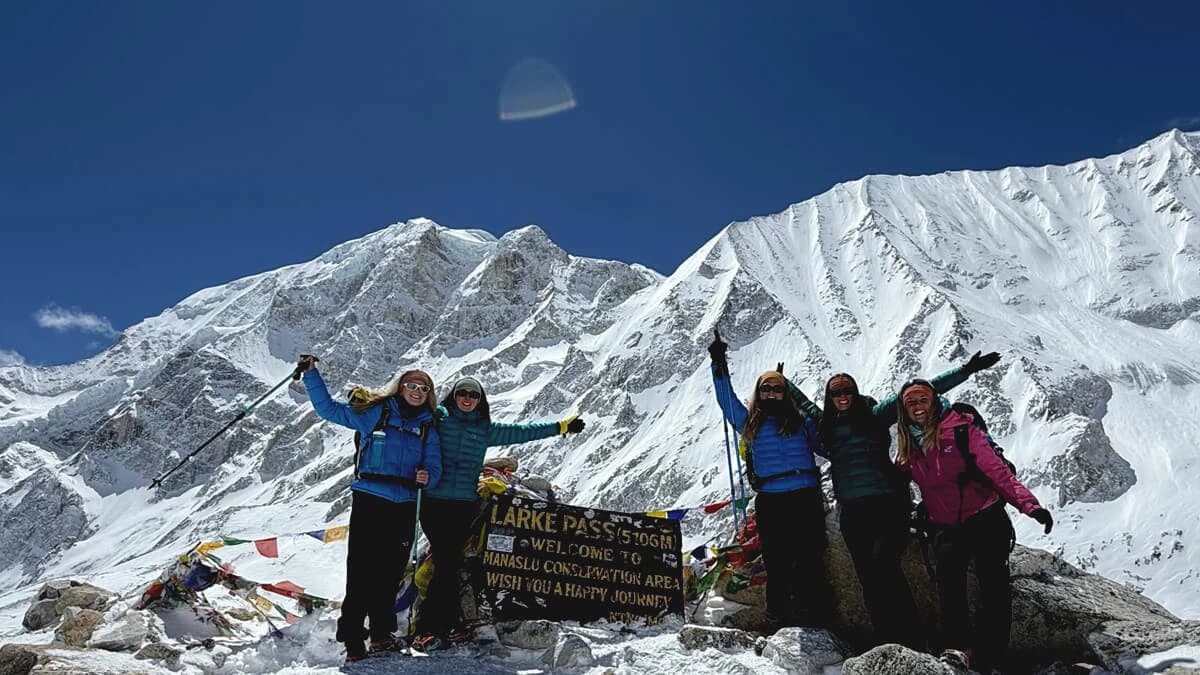
The Manaslu Circuit provides travelers with an interesting experience as it encircles the eighth-highest mountain in the world, Mt. Manaslu (8,163m). This trek covers approximately 177 to 180 km through remote mountain areas and takes 14 to 20 days to complete (depending on how fast an individual walks). The Manaslu Circuit is typically a less-traveled route and offers a unique combination of subtropical lowlands and lush forests before reaching Larkya La Pass (5,106m), the trek's highest point.
Walking through the Manaslu Conservation Area, the trek offers opportunities to encounter wildlife and elusive species such as the snow leopard. This makes it ideal for travelers who want to skip crowded trails and explore the wilderness for animal sightings and photography.
The expedition is also an immersive blend of the cultural diversity of the Magar, Gurung, Thakali, Nubri, and Tsumba people. Major heritage sites along the way include the ancient monasteries of Mu Gompa and Serang Gompa. The trek offers 360-degree views of Kang Guru, Annapurna II, Himlung Himal, Cheo Himal, Nemjung, and Gyaji Kang.
Distinction in Highlight between Manaslu Circuit and Annapurna Circuit
Key attractions of the Manaslu Circuit Trek
- You’ll be constantly surrounded by an arena of giants, including the twin-headed Mt. Manaslu (8,163m), the majestic Annapurna II, and the sharp ridgeline of Himlung Himal.
- Hike through the dramatic Budhi Gandaki river gorge.
- Reaching the 5,106m Larkya La Pass, the highest point of the trek, is rewarded with a stupendous view of a glacial cirque and picturesque snow-capped mountains.
- The restricted-area status has kept villages like Samagaun and Samdo frozen in time, allowing you to witness the authentic Tibetan Buddhist lifestyle of the Nubri people.
- Passing massive mani walls clockwise and watching monks light butter lamps at the 900-year-old Pungyen Monastery provides a spiritual depth missing from more commercialized routes.
- The Manaslu Conservation Area is a global biodiversity hotspot where you might spot blue sheep (bharal), red panda, snow leopard, and the beautiful Himalayan Monal.
- Acclimatization day in Sama Gaon allows for a stunning detour to the turquoise Birendra Lake or a side trip to the active Serang Monastery.
- Hike to the hidden Kal Tal (Death Lake) or explore areas near the Tibetan border.
Best moments of the Annapurna Circuit Trek
- Cross the Thorong La Pass (5,416 m), and stand among the prayer flags at the peak with a 360-degree vista of the Annapurna and Dhaulagiri massifs.
- Visit the sacred Muktinath Temple, a revered site for both Hindu and Buddhist followers, and explore the 108 brass water spouts and an "eternal flame" fueled by natural gas.
- Step back in Time at Barge Monastery, which is located in the medieval village of Braga. This 900-year-old monastery is the largest in the Manang district and houses ancient murals and statues.
- Soak in the steaming, mineral-rich waters of the Tatopani natural hot springs located right on the banks of the Kali Gandaki River.
- Morning hike to the vantage point of Poon Hill (3,210 m), and witness the glorious sunrise above the Dhaulagiri and Annapurna South.
- Experience the warm hospitality of the Manangi people, and stroll through the bustling town of Manang.
- Walk through the world’s deepest gorge along the wind-swept Kali Gandaki River to Jomsom, a town famous for its brand of delicious local apples.
- Staying at the iconic Hotel Bob Marley is a rite of passage for many, offering a quirky, music-filled sanctuary.
Where is the Starting Point of the Annapurna Circuit and Manaslu Circuit?
Getting to the trailheads for both treks in 2026 is different now, as new roads have changed how these journeys begin. For the Annapurna Circuit, the road from Besisahar to Manang lets you break the trek into smaller, more flexible sections or skip the busier lower sections.
Meanwhile, the primary gateway to the Manaslu Circuit has moved up from Soti Khola to Machha Khola. This shift cuts down the time spent on the initial approach, but it doesn't change the trek’s spirit. As soon as you leave the vehicle behind, you are still heading straight into the heart of the same raw, quiet wilderness that makes this region so special.
Manalsu Circuit Trek
The Manaslu Circuit now begins at its starting point located at Machha Khola, which can be reached by an eight to ten-hour drive from Kathmandu. While older maps might indicate that travelers can now go directly to this new starting point to shave time off their trip to the Gorkha District.
An alternative way to reach Machha Khola from Kathmandu is by local bus, departing from Gongabu Bus Park; however, these can be overcrowded and take up to 12 hours. So, hiring a private jeep will allow for a much faster, higher-quality journey, as you will spend your time enjoying the mountain scenery rather than enduring a long roadside journey.
Annapurna Circuit Trek
While the Annapurna Circuit traditionally begins in Besisahar, a 6 to 7-hour drive from Kathmandu, recent road developments have changed the experience. Now, travelers can save time and skip the lower dusty segment by starting the trek at Chame, passing through Besisahar, Dharapani, and Jagat.
You can choose a private vehicle, tourist bus, or local bus from Kathmandu’s Gongabu Bus Park. After arriving at Besisahar, take a 4WD jeep for an additional 4 to 6 hours to Chame, saving a few days and preserving your energy for the most stunning Himalayan trails.
Comparison of the Manaslu Circuit and Annapurna Circuit Trek Duration
In general, the Annapurna and Manaslu circuits usually fit into a two- to three-week window depending on the route you choose. The Annapurna Circuit takes about 13 days, while the Manaslu Circuit takes about 16 days due to longer walking distances and its less-traveled nature. Besides, adding Tilicho Lake to the average Annapurna trek adds 3 to 4 days, and including Tsum Valley to the standard Manaslu trek extends the itinerary by 3 days.
Note: If you want to learn more about the itinerary available, read our blog on Annapurna Circuit Trek Detailed Itinerary.
The High-Altitude Challenge: Thorong La vs. Larkya La
Crossing the high passes of Thorong La (5,416m) and Larkya La (5,160m) is widely regarded as the defining challenge for any trekker on these legendary circuits. While Thorong La stands at a higher elevation, its well-developed trails and established support network often make the ascent more approachable for those seeking a high-altitude experience.
Navigating the Thorong La Pass
To attempt crossing Thorong La, you need to wake up at predawn, and make your way to Thorong Phedi or High Camp around 4:00 am to ensure you cross before the afternoon winds pick up. The climb is gradual and follows a wide, non-technical trail, allowing most trekkers to reach the summit within 3 to 4 hours, where the primary challenge is simply the thin, high-altitude air.
From there, you’ll face a demanding 1,600-meter vertical drop into Muktinath, offering a front-row seat to one of the Himalayas’ most dramatic geological shifts as the snowy Marsyangdi valley fades into the arid, Tibetan-style desert of the Mustang plateau.
An adventurous crossing of the Larke La Pas
Reaching the summit of Larkya La at 5,106 meters is a definitive highlight of the Manaslu Circuit, though it requires a very early start. You’ll typically leave Dharmashala around 3:00 or 4:00 AM to reach the pass before the fierce morning winds become too intense.
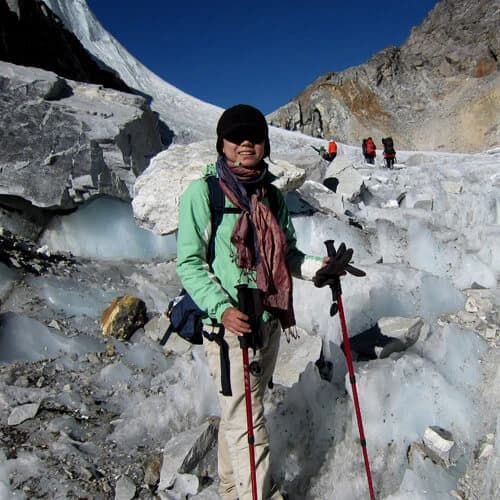
While the ascent is relatively manageable and not excessively steep, the high-altitude environment often brings icy trails, snow, and temperatures that can drop below -25˚C. After a steady 5 to 7-hour climb, you are rewarded with incredible views before beginning the long descent into Bimthang.
Larkya La offers a more rugged, demanding adventure, with rocky paths and the potential for icy terrain that requires greater technical attention. To prioritize your well-being, it is essential to trek with a licensed guide who manages the crossing with professional care and strict safety protocols for altitude concerns.
Difficulty and Physical Requirements: Which Trek is Harder?
Annapurna Circuit Trek is Suitable for Beginners
Trekking the Annapurna Circuit is a moderately challenging 15-to-16-day journey that rewards physical fitness and mental resilience with some of the world's most iconic mountain views. You’ll typically hike for five to eight hours each day, passing through high-altitude villages like Manang and Yak Kharka before reaching the ultimate highlight: the 5,416-meter Thorong La Pass.
Because the route involves significant elevation and steep terrain, a slow, steady pace of acclimatization is essential to avoid altitude sickness. With effective training and the right season, you will be ready to tackle the physical demands and complete this legendary Himalayan adventure.
Manaslu Circuit Trek is Ideal for Seasoned Trekkers
The Manaslu Circuit offers a rugged, off-the-beaten-path alternative to the more developed Annapurna route, characterized by deep wilderness and a handful of traditional teahouses along the trail. This 14-to-18-day journey is physically demanding, requiring 6 to 8 hours of daily hiking across challenging terrain that tests your endurance and focus.
As you ascend through high-altitude villages like Samagaun and Samdo (3,860m), you face the trek's most critical hurdle, which is the steep and long climb to Dharamsala (4,460m), which can cause a higher risk of altitude sickness. Nonetheless, you will have to push towards the scenic Larkya La Pass at 5,106m, a feat that demands proper acclimatization and a steady ascent with plenty of breaks.
Note: If you have no prior experience and are wondering if you could complete the Manaslu Circuit, read our blog on " Can a beginner trek to Manaslu Circuit?”
What’s the Best Time to Trek?
If you are planning to trek in Annapurna or Manaslu, timing is everything for a safe and enhanced travel experience. The most reliable windows are spring (March, April, May) and autumn (September, October, November). These months offer the most stable weather and clear trails, ensuring a safer, much more comfortable journey through the mountains than during the unpredictable monsoon or winter months.
Having said that, each season brings its own unique charm to the Himalayas. Spring trekkers walk through forests bright with blooming rhododendrons and wildflowers, creating a vibrant, lively atmosphere. In contrast, the autumn months are famous for their crisp air and crystal-clear skies, providing the sharpest, uninterrupted mountain views of the entire year.
Crossing high mountain passes like Thorong La or Larkya La requires the right conditions. These peak seasons offer the best opportunity to navigate these altitudes safely with the highest visibility. Choosing spring or autumn guarantees the best scenery and a smooth, rewarding experience on either trek.
Which Trek has Better Scenery, Manaslu or Annapurna?
The Manaslu and Annapurna circuits offer two distinct worlds. Manaslu is known for its lush, green landscapes, taking you through forests of pine, juniper, and rhododendron between Machhakhola and Samdo. Whereas, the landscape in Annapurna changes as you climb from lush forests to dry, windswept terrain of a high-altitude plateau.
Manaslu’s Intimate Wilderness
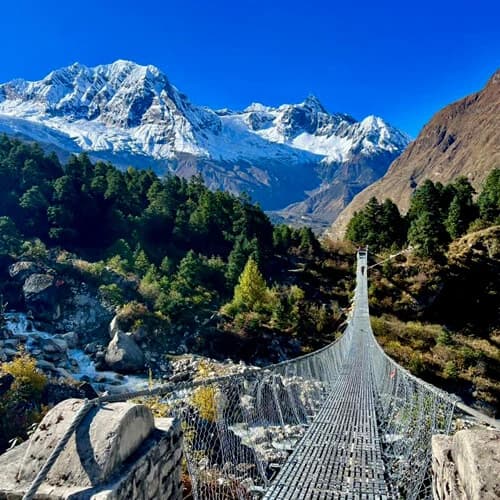
On the Manaslu route, the journey follows the Budhi Gandaki River, where the sound of flowing water and crossings over long suspension bridges create a soothing atmosphere. The sections from Bimthang to Tilche are particularly peaceful, winding through oak and pine groves that offer clear, stunning views of Mt. Manaslu without the heavy foot traffic found on more mainstream trails.
This remote adventure leads you through traditional villages and terraced fields toward the spectacular Larkya La pass. Along the way, you’ll witness a rich Tibetan-influenced heritage and mountain panoramas, including Larke, Cheo, and Naike peaks. Additionally, attractions near Samagaon, such as the blue waters of the glacial lake and the Pungyen Glacier viewpoint, make this off-the-beaten-path a perfect choice if you want to immerse in raw wilderness.
Annapurna’s Wide-Angle Grandeur
The Annapurna Circuit shows a radical contrast in scenery, from dense forests to high-altitude deserts. This change in environment is one of the highlights of this trek and provides a unique opportunity to experience two separate ecosystems on one trek. Throughout the journey, you will continuously be rewarded with spectacular views such as the massive peaks of Annapurna, Hiunchuli, and Tukuche.
You will travel through vibrant mountain villages such as Chame and Manang, where the local culture is absolutely charming. Once you cross Upper Pisang, there is a noticeable transition to a drier climate. The segment of the trek from Brathang to Dhikur Pokhari is a very calming section of trail.
Further up towards the pass, the terrain remains rugged and extremely windy. However, much of the trail runs past ancient Buddhist monasteries wrapped in colorful prayer flags, and the cultural significance of these sites, combined with the changing landscape, makes for a rewarding travel experience.
Mountain Views on Annapurna Circuit vs Manaslu Circuit Trek
Both the Manaslu and Annapurna circuits offer a rare chance to trek around the world’s most massive peaks. On the Manaslu Circuit, you encircle Mount Manaslu—the 8th tallest mountain on Earth at 8,163 meters.
Meanwhile, the Annapurna Circuit loops around Annapurna I, the world’s 10th-highest peak at 8,091 meters. While both routes bring you face-to-face with an 8,000-meter giant, they offer very different perspectives of the surrounding Himalayan landscape.
On the Manaslu trail, the peak first reveals itself at Lho on your third day, followed by a series of views of surrounding mountains like Ganesh Himal, Gyaji Kang, Cheo, Himlung, and Nemjung. Reaching the Larkya La Pass is a major highlight, where you are rewarded with a spectacular view of a massive glacial cirque and the rugged ice walls of the high Himalayas.
In contrast, the Annapurna Circuit treats you to mountain vistas right from day one. By the time you reach the Thorong La Pass, you are greeted with a stunning 360-degree panorama that includes Dhaulagiri, the various Annapurna peaks (II, III, and IV), Nilgiri, Gangapurna, Tukuche, Chulu, Pisang Peak, Lamjung Himal, Damodar Himal, and Machhapuchhre.
Overall, if your goal is to see a wide range of scenery and ever-changing views, the Annapurna region generally offers more mountain views and broader landscapes, making it a favorite among photographers. While Manaslu features fewer visible peaks overall, it provides incredible, close-range encounters with Mount Manaslu itself that feel more intimate and powerful.
Crowd Levels on Manaslu Circuit vs Annapurna Circuit Trek
The Manaslu Circuit is perfect if you’re looking for a quiet, untouched adventure. Because it is a restricted area that requires a mandatory guide and at least two trekkers per group, the trails remain peaceful and uncrowded year-round. Even in the busiest months, booking a room in a tea house is rarely a problem, letting you enjoy the deep silence and raw wilderness of the Himalayas without logistical hurdles.
On the other hand, the Annapurna Circuit is a world-famous classic that attracts travelers who don’t mind a busy trail. Some popular stops in regions like Manang and Chame can get packed during peak trekking months, so we recommend booking your rooms in advance for a seamless trip. Besides, modern roads now reach higher into the valley, making logistics easier but bringing more vehicle traffic to sections that were once remote.
Ultimately, your decision comes down to the kind of experience you want. Choose Manaslu if you crave solitude and a true step back in time, where the mountains create a silent ambiance. But, if you prefer better facilities, meeting fellow hikers from around the globe, and a more straightforward journey, the Annapurna Circuit is your ideal match. Just be ready to share the path with plenty of other explorers.
Cultural Experience on the Trail: Hindu-Buddhist Fusion vs. Authentic Tibetan Traditions
The cultural encounters along these two circuits offer distinct insights into the Himalayan way of life. The Annapurna region displays a modernised, multi-ethnic fusion of culture, whereas the Manaslu region is an isolated area where traditional Tibetan Buddhism continues to thrive to this day.
Muktinath and Thakali Heritage of the Annapurna
The Annapurna Circuit is a remarkable journey through a rich mix of traditions, taking you from the Gurung and Ghale villages of the lower valleys to the historic trading communities of Manang.
The spiritual heart of the trek is at Muktinath (3,800 meters), a sacred site where the 108 water spouts and eternal flame reflect a deep-rooted harmony between Hindu and Buddhist pilgrims.
Besides, while cafes provide a modern feel for some section of the circuit (e.g., Marpha, Kagbeni), the hospitality of the Thakali in the Kali Gandaki will always be considered the benchmark for teahouse comfort.
The Nubri and Tsum Cultures of Manaslu
The Manaslu region offers a rare journey where time seems to stand still, as its restricted status has shielded the authentic Tibetan Buddhist traditions of the Nubri people from modern commercialization. In traditional villages like Lho and Samagaun, you will come across historic monasteries, including Mu (3510m), Lungdeng, Rachen, and Sarang Gompa.
Additionally, the exploration of "Tsum Valley" (a popular side trek) adds another layer of spiritual depth, as it is a recognized "Beyul" or sacred sanctuary where the non-violent principle is strictly observed. So, for those seeking to avoid the busy trail and immerse themselves in the culture of remote valleys, the Manaslu Circuit Trek is an ideal choice for 2026.
Types of Accommodation, and available food on the trail
- Remote and Basic Facilities on the Manaslu Circuit
Trekking in Manaslu is a deeper dive into Nepal’s remote wilderness, where the trails are quieter, and facilities like electricity, showers, and Wi-Fi are simple. At the accommodation, you will find cozy rooms with beds and blankets, though we suggest packing a high-quality sleeping bag to ensure you stay warm and comfortable at higher altitudes.
While you won't find the same luxury options available in Annapurna, the genuine hospitality of the local people creates a welcoming environment that makes the rugged journey feel truly personal. There is a unique, rustic charm to these mountain stays that allows you to connect with local culture and experience the simplicity of rural life firsthand.
To keep your energy up, teahouses serve traditional, fulfilling dishes like Dal Bhat, momos, and Tibetan bread, all made from fresh ingredients. Enjoying these hearty meals while taking in the spectacular Himalayan scenery is one of the most rewarding parts of the entire trek.
- The teahouses are comfortable with superior amenities on the Annapurna Circuit
The trails in the Annapurna Circuit are well-established, and you will find a vast network of teahouses and lodges throughout the journey. Accommodation along the trail is designed to meet a wide range of preferences and budgets. You can choose from simple standard rooms to more comfortable lodges with modern amenities, including attached bathrooms and western-style toilets.
As you begin to gain altitude you will notice that the facilities become more basic; however, accommodations are still comfortable enough so that, after your long day on the trail, you will have a warm place to stay. The food you will have to choose from will also be varied; traditional food such as dal bhat and momos will be available at every lodge, but also you will find international foods such as pizza, pasta and sandwiches.
When you do need water for drinking, the teahouses will provide you with boiled water; however, we also recommend that you carry purification tablets for added precaution. Overall, the superior level of comfort and variety in the teahouses on the trail is why the Annapurna Circuit remains a favorite among trekkers.
Manaslu and Annapurna Circuit Trek Cost Comparison
The cost for the Annapurna and Manaslu Circuits depends on your specific route, group size, and services, but budgeting for 2026 requires looking beyond the base package. You’ll need to account for extras like Wi-Fi, solar charging fees, facilities and tips, all of which have become more expensive as the cost of operating in remote wilderness rises. Factoring these daily expenses into your plan from the start will help you avoid surprises and ensure a much smoother journey through the Himalayas.
Mandatory Guide, and Permit Needed
Starting in 2026, trekking in Nepal has become more structured and sustainable to help protect the Himalayas and keep travelers safe. All international hikers are now required to hire a licensed guide, ensuring you have expert support on every trail. Additionally, travelers must have permits to access the region, which directly funds waste management and trash cleanup to keep these fragile conservation areas pristine for future adventurers.
Traveling With a Guide is a Legal Requirement
As of 2026, the Nepal Tourism Board (NTB) and the Trekking Agencies' Association of Nepal (TAAN) have strictly enforced a ban on solo trekking for foreigners across the Annapurna and Manaslu regions.
This change is designed to make search-and-rescue missions much more effective and to ensure everyone follows environmental rules on the trail. By requiring a licensed guide, the policy also helps the local community, making sure your trekking spend directly supports local guides who know these mountains best.
Besides, if you're planning your trip, keep in mind that being caught without a guide carries heavy penalties, including an NPR 12,000 fine and the immediate loss of your permits. On the other hand, there is a major benefit for travelers; all guides are now required to pass annual refresher courses in navigation and high-altitude medicine.
This ensures your guide is a highly trained professional with the most up-to-date skills to keep your journey through the Himalayas both safe and enjoyable.
Permit Costs and Seasonal Variations
The logistics and processing for the permits will be handled by your respective travel agency. All you need to do is send a copy of your documents, including passport-size photographs, passport copies, a passport valid for 6 months from the date of entry, Nepal Visa, and Travel Insurance.
Annapurna Circuit Permit
- Annapurna Conservation Area Permit (ACAP): NPR 3,000 (approx. $25 USD).
Manaslu Circuit Permi
- Restricted Area Permit (RAP): $100/week (Sept–Nov) or $75/week (Dec–Aug).
- Manaslu Conservation Area Permit (MCAP): NPR 3,000 (approx. $23 USD).
- Annapurna Conservation Area Permit (ACAP): Required for the exit via Dharapani (NPR 3,000).
- Chumnubri Rural Municipality Fee: NPR 1,000 (approx. $8 USD). This is a local development tax collected on the trail.
What is the risk of altitude sickness on each trek?
Since both the Annapurna and Manaslu circuits require crossing high-altitude passes above 5,000 meters, altitude sickness is a potential hazard during your journey. To help your body adapt safely to the low oxygen level at Thorong La (5,416m) or Larkya La (5,106m), you must maintain a slow, steady pace, include dedicated acclimatization days, and drink at least 3 liters of water daily. Additionally, a successful journey depends on high-quality technical gear and on staying alert to early symptoms, such as persistent headaches or fatigue, before they escalate.
While the Annapurna route offers more established medical clinics and reliable cell service, the remote nature of the Manaslu trail makes professional guidance a necessity. Trekking with a trusted local company ensures you have a government-certified guide who monitors your health daily and manages your pacing through rugged terrain like the Budhi Gandaki Gorge. Their expert oversight provides critical peace of mind, especially in Manaslu’s restricted zones, where rescue logistics are more complex, allowing you to focus entirely on the incredible Himalayan scenery.
Is there a difference in the packing list between the two?
Both the Annapurna and Manaslu Circuit Treks are high-altitude expeditions that require high-quality equipment, gear, and a layered clothing system. So, having a well-planned checklist for the journey ahead helps you adapt to the unpredictable weather and prevents injuries during the steep ascent and descent. Here is a brief outlook on what you must have for this trek:
- Basics: Waterproof shell, insulated down jacket, sleeping bag, trekking poles, crampons, Headlamp, first aid kit (with altitude medication), sun protection.
- Clothing: Moisture-wicking base layers, warm fleece mid-layers, breathable shell layers.
- Footwear: Waterproof boots with ankle support, camp shoes, sandals, gaiters.
- Essential: Toiletries, high-calorie snacks (nuts, energy bars), electrolyte tablets, and water purification.
Side Treks Available In Manaslu and Annapurna
Annapurna and Manaslu, both trekking regions, have beautiful destinations, and side trips you can include in your journey for an immersive experience.
Manaslu Circuit Extension
- Manaslu Circuit with Tsum Valley Trek
- Manaslu Circuit Extensions
- Manaslu Base Camp & Pungyen Gompa
- Birendra Lake (Half-Day)
- Rui La Pass Manaslu Trek
- Ganesh Himal Manaslu Trek
- Tsum Valley Manaslu with Thorong La Pass Trek
Additional Route in Annapurna Circuit
- Annapurna Circuit with Tillicho Lake Trek
- Annapurna Circuit with Nar Phu Valley Trek
- Annapurna Circuit with Poon Hill Trek
- Annapurna Circuit with Annapurna Base Camp Trek
- Annapurna Circuit with Mardi Himal Trek
Ready for a Challenge? The Mountains Are Calling!
Deciding between the Annapurna and Manaslu circuits is a significant challenge for many trekkers. While it might feel like a tough decision, both routes offer unique rewards, so we suggest considering both rather than picking just one. Each trail has its own character, and you will likely find that they complement each other perfectly.
Your final pick should align with your personal goals and fitness level. If you enjoy a social trekking environment with comfortable amenities and changing terrain, the Annapurna route is perfect. However, if you crave a deeper challenge and the silence of an off-the-beaten-path trail rich in Tibetan culture, the Manaslu trek is the right choice for you.
We hope this breakdown helps provide the clarity you need to choose your next journey. For more details, please see our frequently asked questions below. When you're ready to start your next big adventure, reach out to the team at Outfitter Nepal, and we will handle all the arrangements while you focus on the trail ahead.
Can I combine the Annapurna Circuit and Manaslu Circuit Treks?
Yes, you can startthe Annapurna Circuit after completing the Manaslu Circuit by joining the trail at Dharapani. From there, you can continue toward Thorong La Pass or explore side trails like Tilicho Lake. But keep in mind you must have permits that cover both regions, such as the Manaslu Restricted Area Permit, ACAP, and TIMS (for Annapurna).
Which trek is more budget-friendly?
The Annapurna Circuit is typically less expensive. It has easier access to food, transportation, and lodging, better infrastructure, and increased competition among teahouses.
Which trek is more suitable for beginners: Annapurna or Manaslu?
Annapurna Circuit is more suitable for beginners as it has easier access, modern facilities, and the flexibility to tailor the itinerary any way you like. On the other hand, Manaslu is longer, more remote, and physically demanding, and is better suited for trekkers with previous experience.